

Lumbar Spine Conditions
-
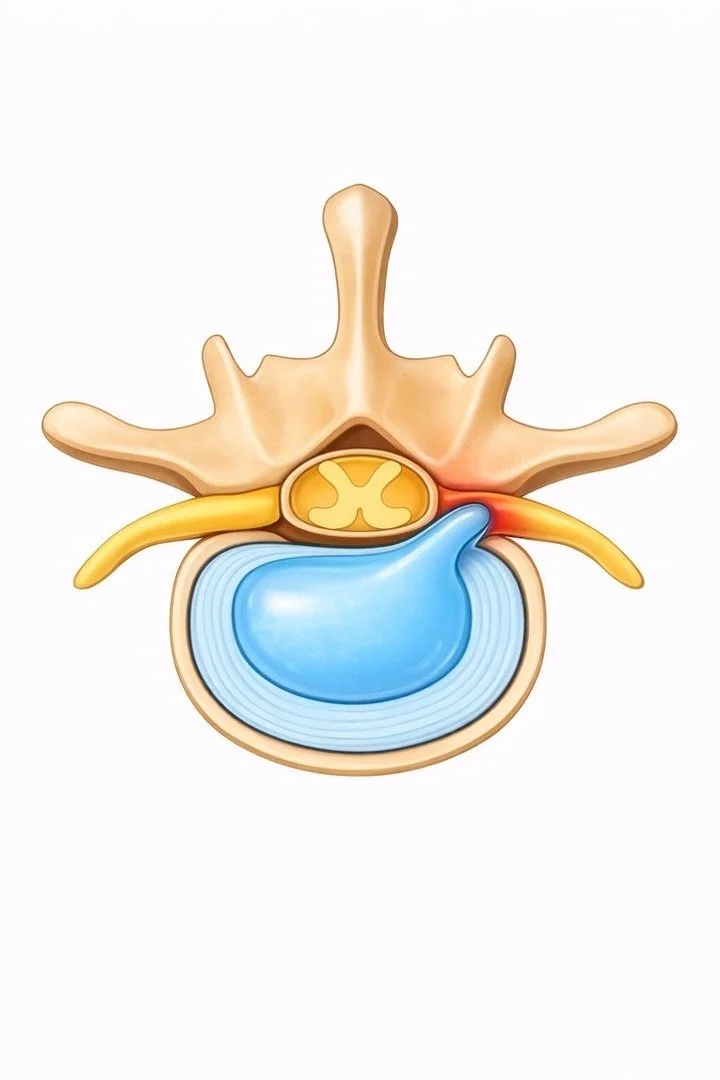
LUMBAR DISC HERNIATION
A lumbar disc herniation happens when the soft center of a spinal disc pushes through its outer layer and presses on a nearby nerve. When a disc herniates, it can irritate or compress the nerve that travels into the leg.
-
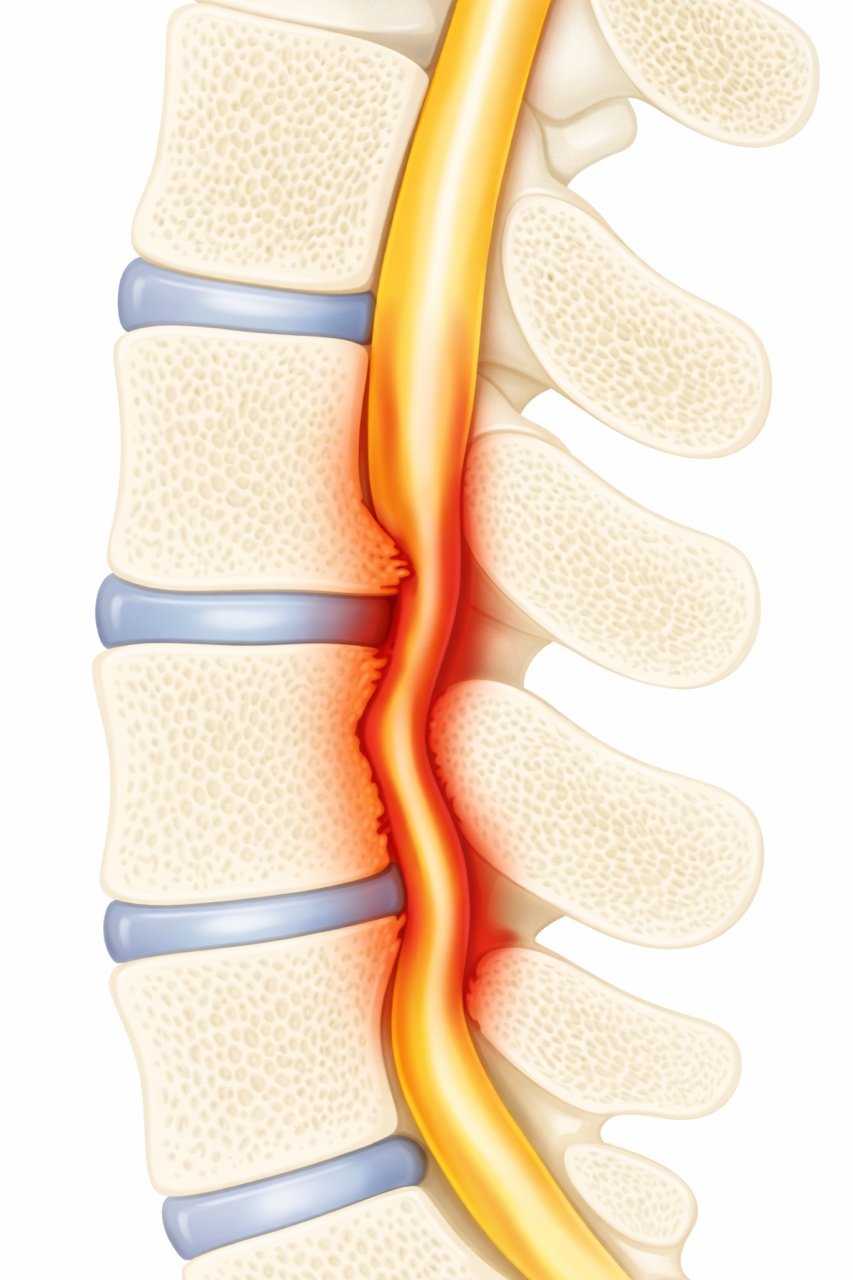
LUMBAR SPINAL STENOSIS
Lumbar spinal stenosis means that the space around the nerves in the lower back has become too narrow. The spinal canal normally protects the nerves that travel from the spine into the legs. When this space narrows, the nerves can become compressed, leading to pain, numbness, or weakness in the legs.
-
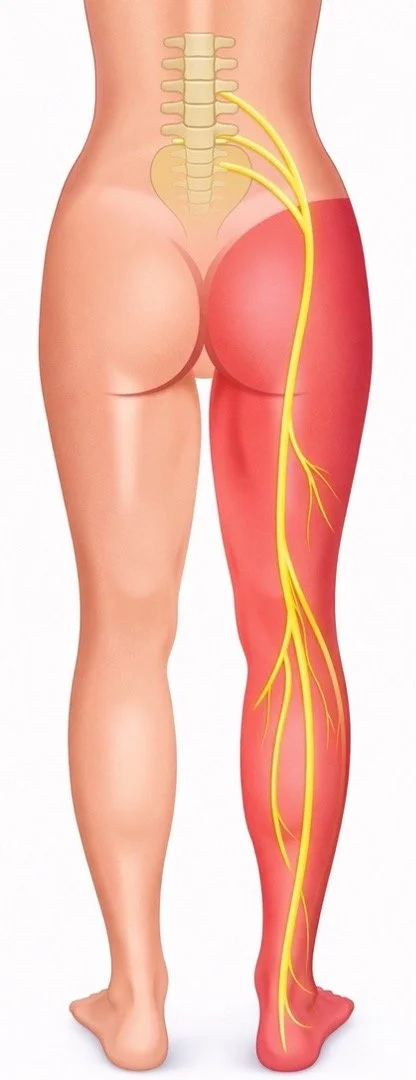
LUMBAR RADICULOPATHY
Lumbar radiculopathy means that a nerve root in the lower spine is being compressed or irritated. Each nerve leaving the lumbar spine travels into a specific part of the leg. When a nerve is pinched, pain, numbness, or weakness can occur along that nerve's pathway.
-
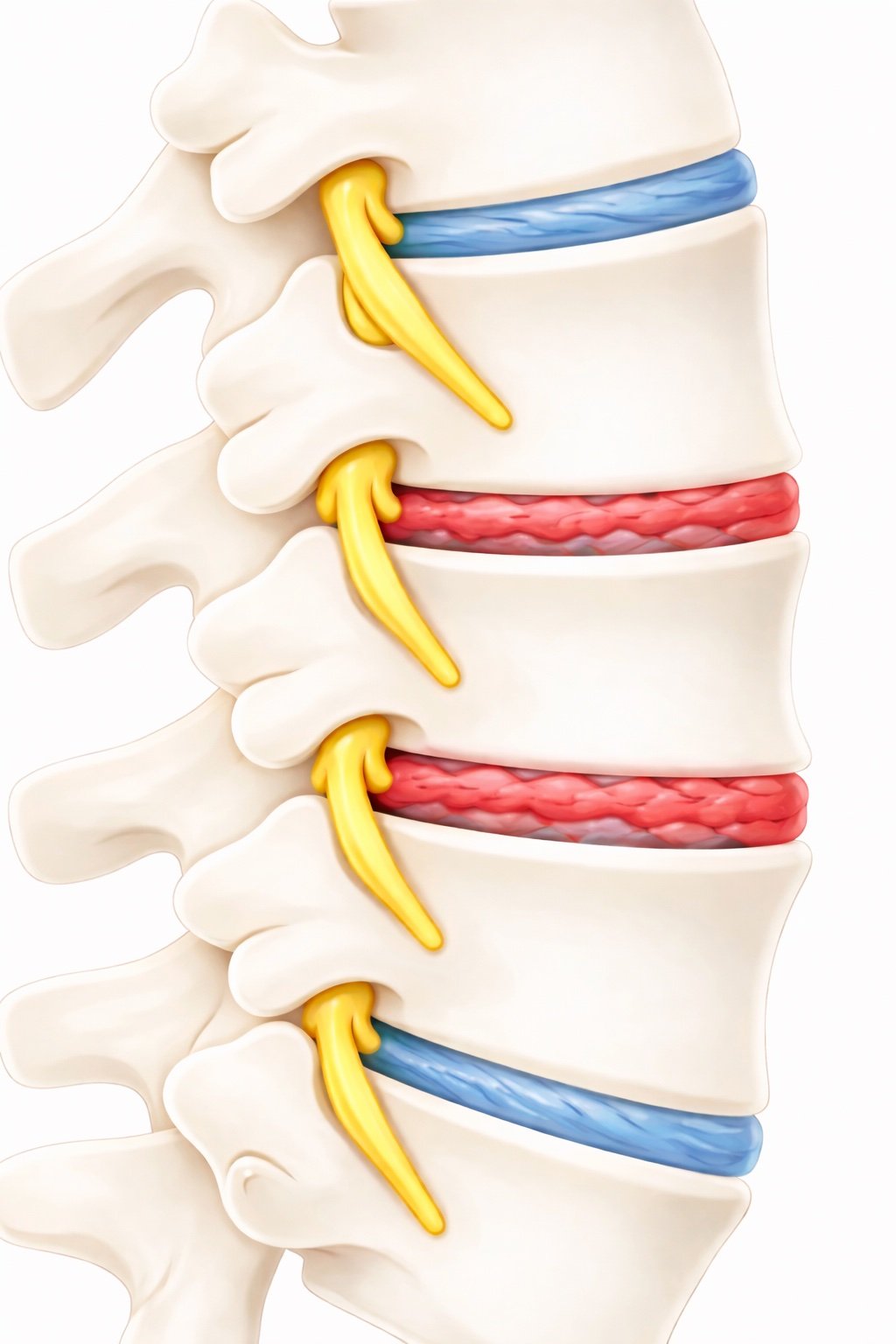
LUMBAR DEGENERATIVE DISC DISEASE
Lumbar degenerative disc disease describes the natural wear of the discs in the lower spine over time. Spinal discs act as cushions between the bones of the spine. As they age, discs lose water content and elasticity. This can reduce their ability to absorb stress and may contribute to back pain or stiffness.
-
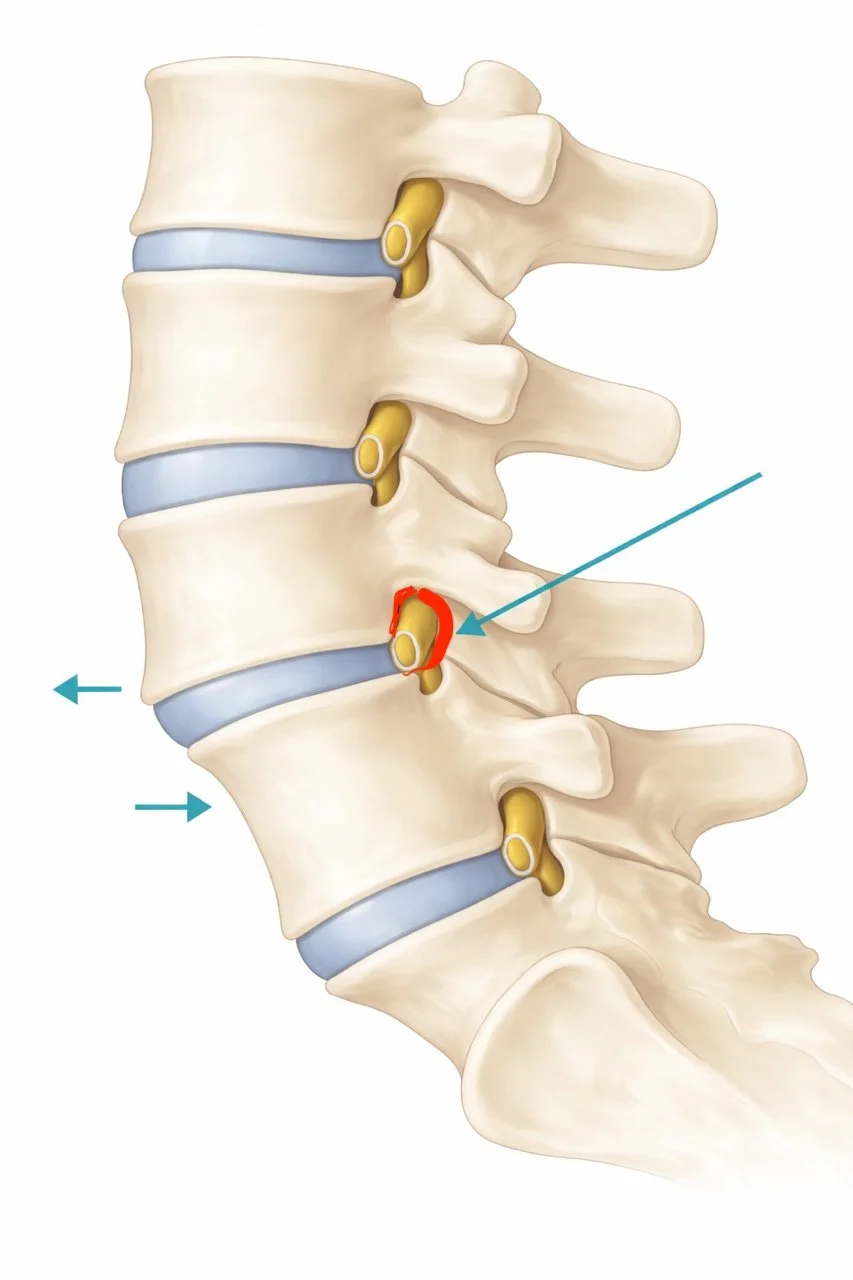
LUMBAR SPONDYLOLISTHESIS
Lumbar spondylolisthesis means that one vertebra in the lower spine has shifted forward relative to the vertebra below it. This shift can narrow the space for nearby nerves and sometimes create instability in the spine.