
Cervical Degenerative Disc Disease
Age-Related Disc Changes in the Neck
Quick Summary
Cervical degenerative disc disease refers to age-related changes in the discs of the neck that can lead to neck pain, stiffness, and sometimes arm symptoms.
Very common and often part of normal aging
Discs lose height, flexibility, and hydration over time
Symptoms vary from mild stiffness to chronic neck pain
MRI helps evaluate disc health and related nerve pressure
Most patients improve with non-surgical treatment
-
No. It is a term used to describe normal age-related disc changes.
-
Yes. Most people develop disc degeneration as they age.
-
Yes, but many people have degeneration without symptoms.
What is cervical degenerative disc disease?
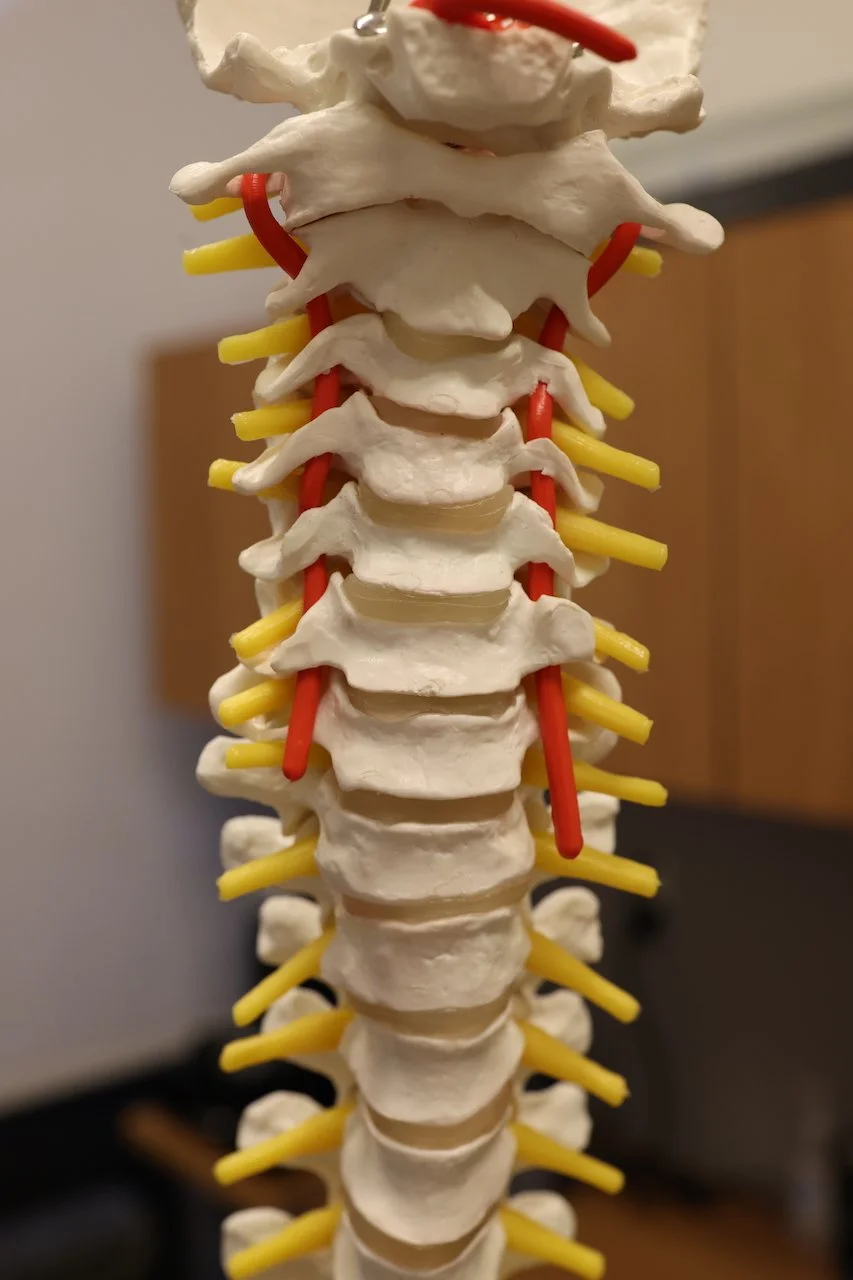
Cervical degenerative disc disease describes the gradual breakdown of the discs in the neck over time.
As discs age, they lose water content and elasticity. This can reduce their ability to cushion the spine and may contribute to pain, stiffness, or nerve irritation.
What are the symptoms of cervical degenerative disc disease?
Symptoms vary and may include:
Neck pain or stiffness
Pain that worsens with activity or prolonged posture
Headaches starting at the base of the skull
Occasional arm pain or tingling
-
Degenerated discs move less smoothly and can cause stiffness after rest.
-
Yes. Neck arthritis and muscle tension can trigger headaches.
-
Inflammation can fluctuate, leading to changing symptoms.

What causes cervical degenerative disc disease?
The primary cause is natural aging of the spine.
Other contributing factors include:
Genetics
Repetitive neck stress
Prior injury
Smoking
-
Usually no. Aging and genetics play the largest role.
-
Poor posture may worsen symptoms but does not directly cause degeneration.
-
It cannot be prevented, but symptoms can often be managed.
How is cervical degenerative disc disease diagnosed?
Diagnosis includes:
Review of symptoms
Physical examination
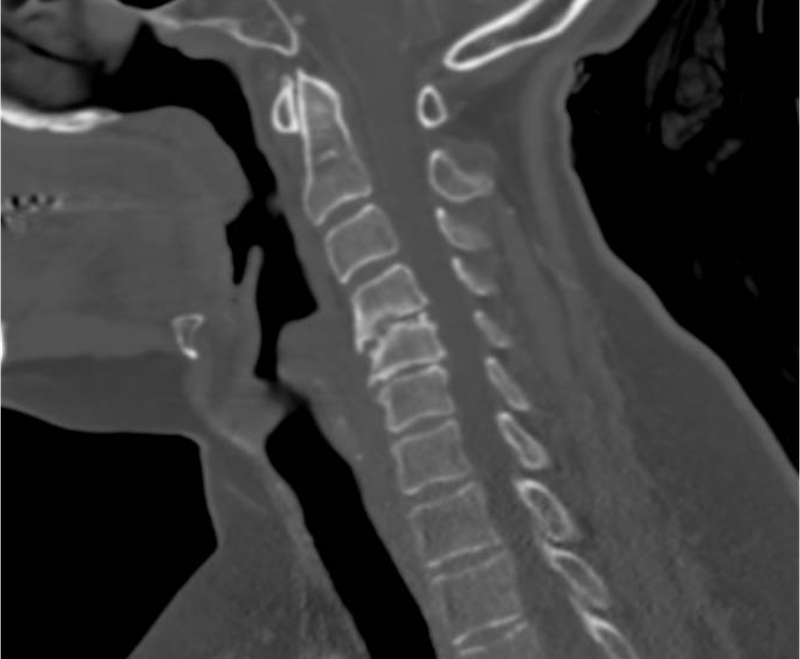
MRI of the cervical spine when symptoms persist
MRI shows disc height loss, dehydration, and related changes.
-
Not always. Imaging is used when symptoms persist or worsen.
-
X-rays may show signs of disc degeneration, including disc height loss and bone spurs.
-
Not always. Symptoms do not always match imaging findings.
How is cervical degenerative disc disease treated?
Most patients are treated without surgery.
Treatment may include:
Activity modification
Anti-inflammatory medications
Physical therapy
Posture and ergonomic adjustments
-
Yes. Therapy improves strength, flexibility, and pain control.
-
Injections may reduce pain but do not reverse degeneration.
-
Activities that worsen pain should be modified if possible, not completely avoided.
Continued exercise is important for your overall health.
Do I need surgery for cervical degenerative disc disease?
Most patients do not need surgery.
Surgery is considered when:
Pain is severe and persistent
Symptoms do not improve with proper treatment
Nerve compression causes arm pain or weakness
-
Because degeneration is common and often not the main pain source.
-
Arm pain, weakness, or spinal cord compression.
-
Surgery treats symptoms, not aging itself.
What surgical options are used if needed?
When surgery is appropriate, options may include:
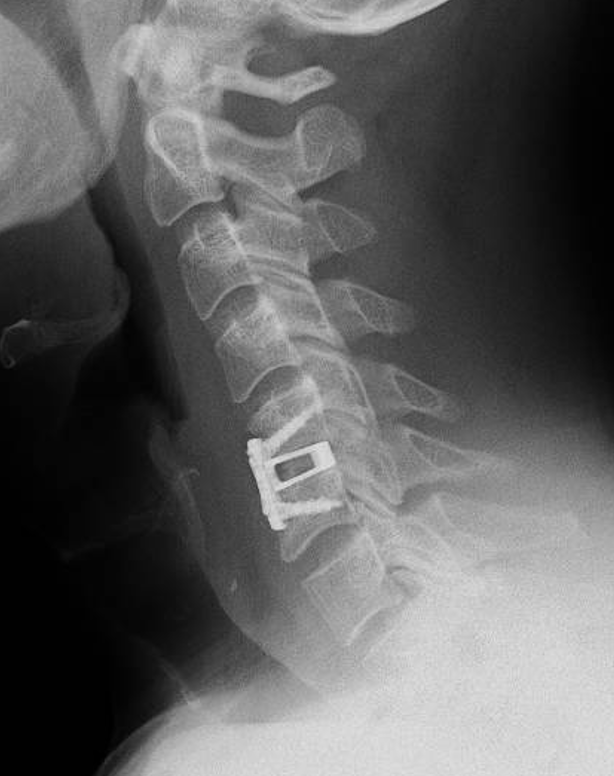
Anterior Cervical Discectomy and Fusion (ACDF)
Cervical disc replacement (select patients)
The choice depends on symptoms, anatomy, and imaging findings.
What is the long-term outlook?
Most patients manage symptoms successfully with conservative care.
Disc degeneration does not always worsen and often stabilizes over time.
It is important to remember that disc degeneration is a normal part of aging.
-
Not necessarily. Many patients improve.
-
Yes. Regular movement helps maintain neck health.
-
Yes, but it does not always cause pain.

When should I see a spine specialist?
You should seek evaluation if you have:
Neck or arm pain persists despite treatment
You develop weakness, numbness, or coordination problems
Symptoms that interfere with daily activities
Early evaluation can help guide appropriate treatment.