
Minimally Invasive Spine Surgery
Advanced Techniques to Treat Spine Conditions with Smaller Incisions
Quick Summary
Minimally invasive spine surgery (MISS) uses specialized instruments and imaging techniques to treat spine conditions through smaller incisions and less disruption of surrounding tissues.
Often used for disc herniation, spinal stenosis, and spinal instability
Uses small incisions and specialized surgical instruments
Helps reduce muscle disruption
May allow faster recovery and shorter hospital stays
Many modern spine procedures can be performed using minimally invasive techniques
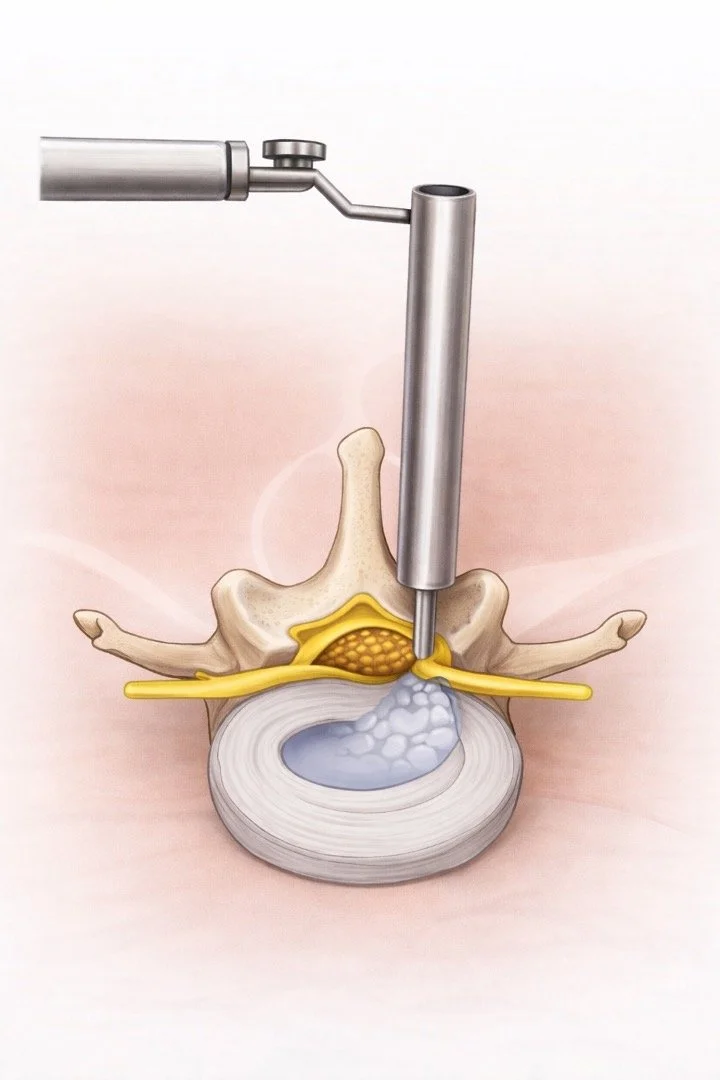
What Is Minimally Invasive Spine Surgery?
Minimally invasive spine surgery refers to surgical techniques that allow the spine to be treated with less disruption to muscles and surrounding tissues.
Traditional spine surgery often requires larger incisions and more extensive exposure of the spine. Minimally invasive techniques use specialized instruments, surgical microscopes, and imaging guidance to perform the same procedures through smaller openings.
These approaches aim to treat the underlying spine problem while minimizing damage to surrounding tissues.
What Conditions Can Be Treated with Minimally Invasive Spine Surgery?
Many spine conditions can be treated using minimally invasive techniques.
These include:
Lumbar disc herniation
Lumbar spinal stenosis
Lumbar radiculopathy (sciatica)
Lumbar spondylolisthesis
Degenerative disc disease
The most appropriate surgical approach depends on the patient’s specific condition and anatomy.
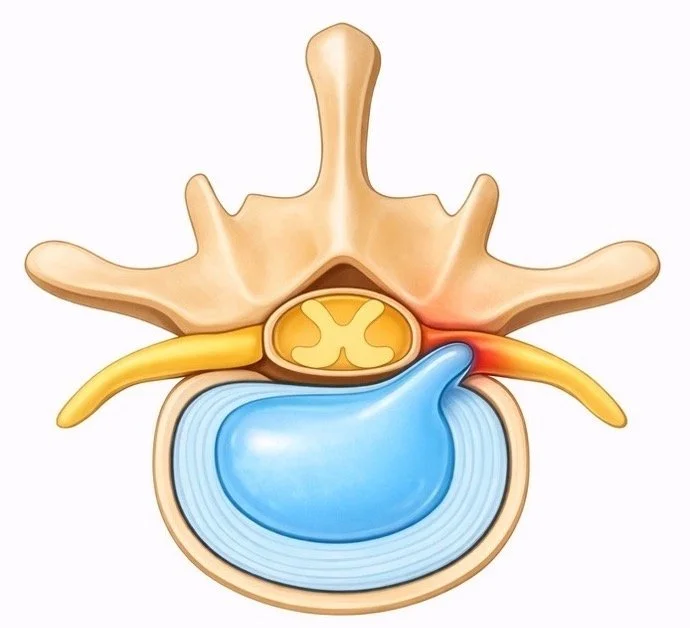
Common Minimally Invasive Spine Procedures
Many modern spine surgeries can be performed using minimally invasive techniques, including:
Lumbar microdiscectomy for herniated discs
Lumbar decompression (laminectomy) for spinal stenosis
Transforaminal lumbar interbody fusion (TLIF)
Posterior spinal fixation performed through small incisions
Certain cervical spine procedures
In some cases, minimally invasive techniques are combined with other approaches to achieve the best surgical result.
Potential Benefits of Minimally Invasive Spine Surgery
Minimally invasive techniques may offer several potential benefits compared with traditional open surgery.
These may include:
Smaller surgical incisions
Less muscle disruption
Reduced blood loss
Shorter hospital stays
Faster recovery for some patients
However, the most important goal of any spine surgery is safely treating the underlying condition, regardless of the surgical approach.
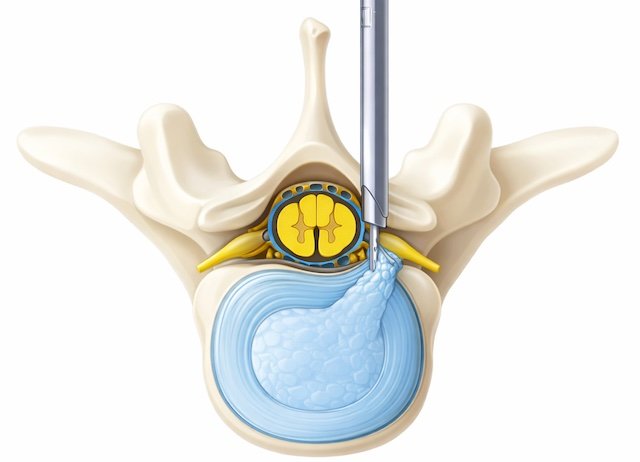
Recovery After Minimally Invasive Spine Surgery
Recovery varies depending on the specific procedure performed.
In many cases:
Patients are able to walk shortly after surgery
Hospital stays may be shorter
Return to normal activities may occur sooner
Recovery can still vary depending on the type of procedure and the underlying spine condition being treated.
Is Minimally Invasive Surgery Right for Everyone?
Not every spine condition can be treated using minimally invasive techniques.
The best surgical approach depends on several factors, including:
The specific spine condition
The location of nerve compression
Spinal alignment and stability
Prior surgeries
Your surgeon will recommend the safest and most effective approach for your individual situation.
Most Commonly Asked Questions
-
Yes. Minimally invasive techniques typically use smaller incisions compared with traditional open surgery.
-
Both traditional and minimally invasive techniques can be safe when performed by experienced spine surgeons. The appropriate approach depends on the specific condition being treated.
-
Some patients experience faster recovery, but recovery time still depends on the type of procedure and individual healing.
-
Yes. Certain fusion procedures, such as TLIF or posterior fixation, can often be performed using minimally invasive approaches.
-
Many patients resume light activities within a few weeks, although recovery varies depending on the procedure and individual healing.
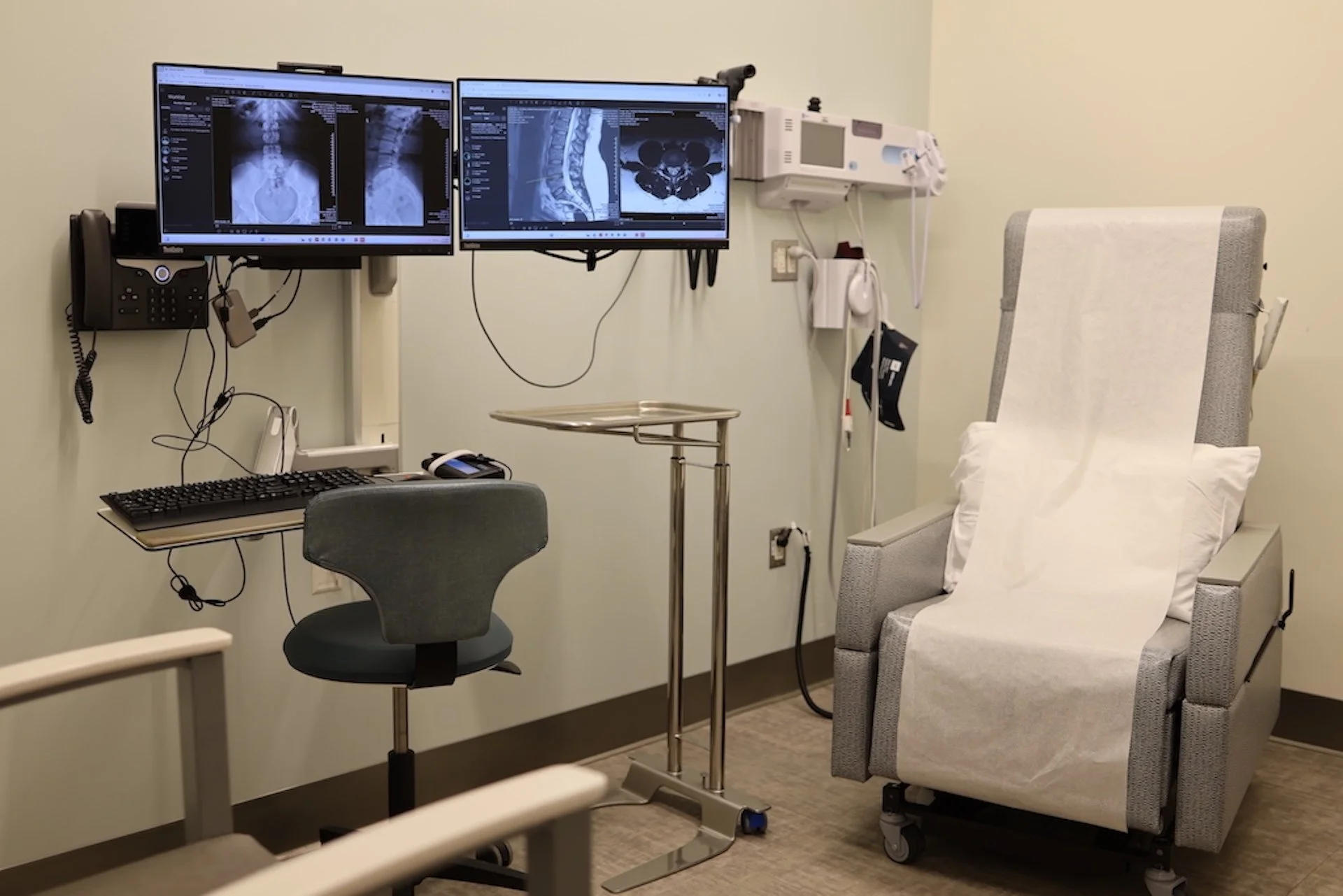

When should I see a spine specialist?
You should seek evaluation if you have:
Back pain lasting more than several weeks
Leg pain, numbness, or weakness
Symptoms that interfere with daily activities
Early evaluation can help guide appropriate treatment.