
Ultrasonic Spine Surgery
Precision Technology for Safe and Controlled Bone Removal
Quick Summary
Ultrasonic spine surgery uses specialized instruments that vibrate at ultrasonic frequencies to cut bone with high precision during spine procedures.
Uses ultrasonic vibration technology to remove bone
Designed to work selectively on bone while protecting soft tissues
Often used near spinal nerves and the spinal cord
May allow greater precision during decompression surgery
Used in procedures such as spinal decompression and certain fusion surgeries
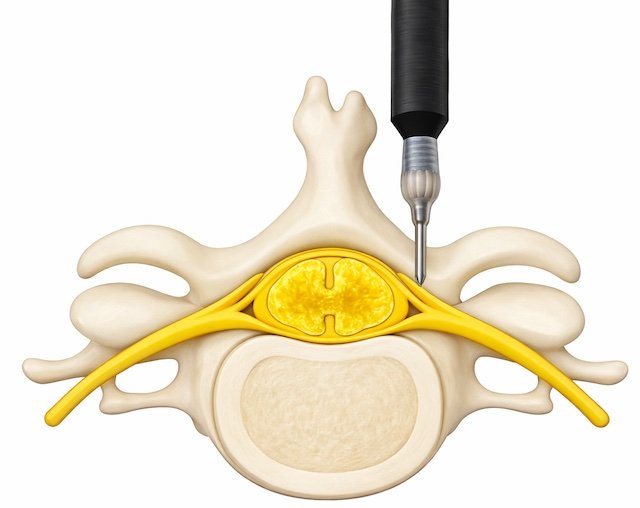
What Is Ultrasonic Spine Surgery?
Ultrasonic spine surgery uses specialized surgical instruments that remove bone using high-frequency ultrasonic vibrations.
Traditional surgical instruments remove bone using rotating drills or cutting tools. Ultrasonic devices instead use controlled vibrations that break down bone tissue while minimizing impact on surrounding soft tissues.
This technology allows surgeons to perform delicate bone removal in areas where important structures such as spinal nerves and the spinal cord are nearby.
How Does Ultrasonic Technology Work?
Ultrasonic surgical instruments vibrate at very high frequencies that allow them to precisely cut or remove bone.
Because bone responds differently to ultrasonic vibration than soft tissues, the device can allow surgeons to remove bone with controlled precision while working close to sensitive structures.
This can be particularly useful during spine surgery where nerves must be carefully protected.
When Is Ultrasonic Technology Used in Spine Surgery?
Ultrasonic bone cutting technology is commonly used during procedures that require careful removal of bone around the spinal canal or nerves.
These procedures may include:
Lumbar decompression (laminectomy)
Cervical decompression procedures
Surgery for spinal stenosis
Certain fusion procedures that require bone removal
Revision spine surgery
The technology is particularly helpful when operating near delicate neural structures.
Benefits of Ultrasonic Spine Surgery
Ultrasonic technology offers several potential advantages during spine surgery.
These may include:
Highly precise bone removal
Reduced disruption of nearby soft tissues
Improved control during delicate decompression procedures
Enhanced visualization of spinal structures
Increased confidence when operating near nerves
These features can help surgeons perform procedures with greater precision.
Does Ultrasonic Technology Replace Traditional Surgical Tools?
Ultrasonic instruments are one of several tools spine surgeons may use during surgery.
Experienced surgeons often combine different instruments and techniques to safely perform each procedure.
The goal is always to select the approach and technology that provides the best and safest treatment for the patient’s condition.
Is Ultrasonic Technology Used in Every Spine Surgery?
Not every spine surgery requires ultrasonic bone cutting technology.
Your surgeon may choose to use ultrasonic instruments when performing procedures that involve precise bone removal near nerves or the spinal cord.
The decision depends on the specific procedure and anatomy being treated.
Most Commonly Asked Questions
-
Ultrasonic instruments are designed to allow precise bone removal and are widely used in modern spine surgery.
-
The technology itself does not determine the size of the incision, but it can support precise and controlled bone removal, which may complement minimally invasive techniques.
-
Spine surgery often takes place near delicate structures such as spinal nerves and the spinal cord, so precise bone removal is critical.
-
Many spine surgeons use ultrasonic bone cutting instruments, particularly during procedures involving decompression of the spinal canal or nerves.

When should I see a spine specialist?
You should seek evaluation if you have:
Back pain lasting more than several weeks
Leg pain, numbness, or weakness
Symptoms that interfere with daily activities
Early evaluation can help guide appropriate treatment.