
Transforaminal Lumbar Interbody Fusion (TLIF)
Surgery to Stabilize the Spine and Relieve Nerve Compression
Quick Summary
Transforaminal Lumbar Interbody Fusion (TLIF) is a surgical procedure used to treat conditions that cause instability or nerve compression in the lower back.
Commonly used to treat spondylolisthesis, spinal stenosis, and degenerative disc disease
Removes a damaged disc and replaces it with a spacer and bone graft
Stabilizes the spine using screws and rods, and a titanium spacer between the bones
Helps relieve leg pain, numbness, and weakness
Allows the bones to fuse together over time
What is a TLIF?
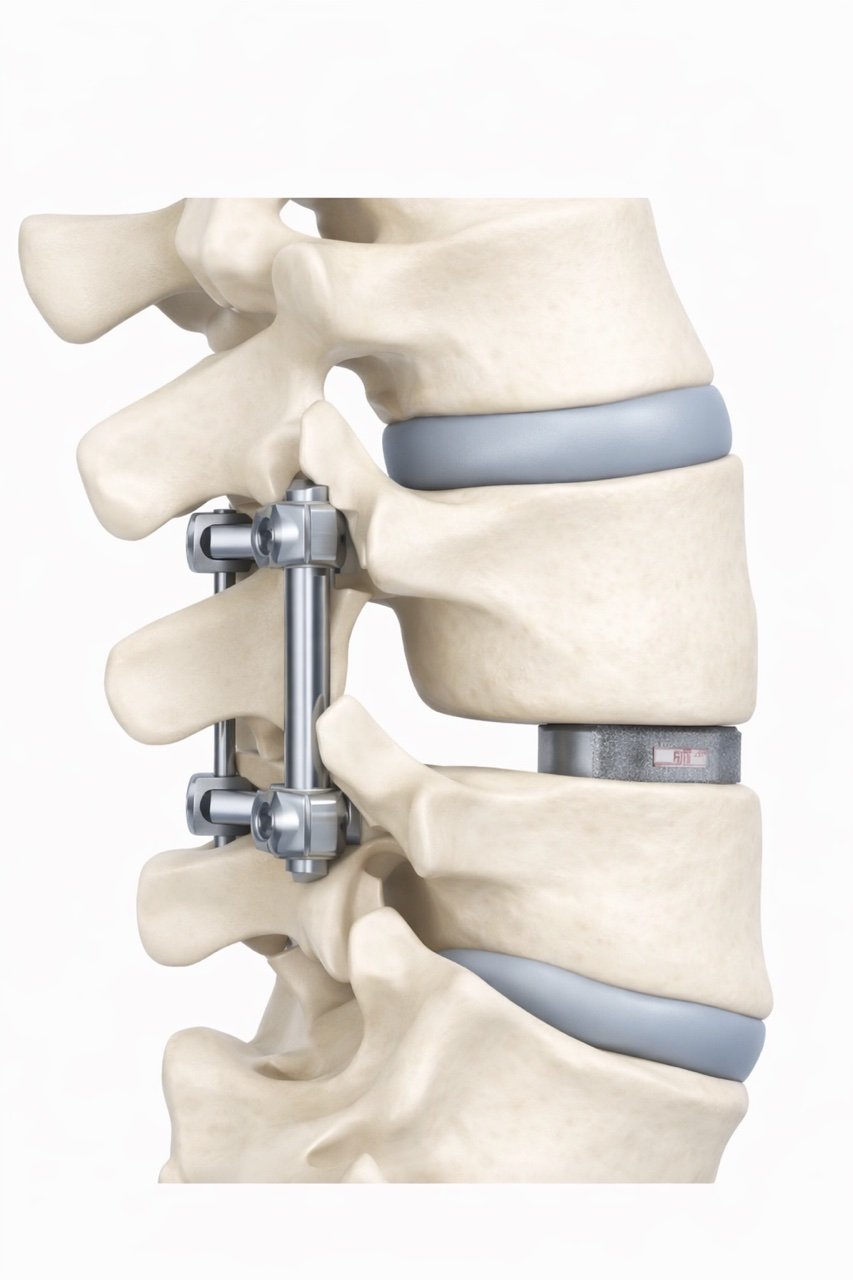
A Transforaminal Lumbar Interbody Fusion (TLIF) is a type of spinal fusion surgery performed through an incision in the back of the spine.
During this procedure:
Pressure on the spinal nerves is relieved.
The damaged disc between two vertebrae is removed.
A spacer (interbody cage) filled with bone graft is placed into the disc space.
Screws and rods are used to stabilize the spine.
Over time, the bone graft allows the two vertebrae to grow together into a solid bone, which stabilizes the spine.
When is TLIF surgery recommended?
TLIF surgery may be recommended when both nerve compression and spinal instability are present.
Common conditions treated with TLIF include:
Lumbar spondylolisthesis
Lumbar spinal stenosis with instability
Lumbar degenerative disc disease
Recurrent disc herniation
Severe lower back pain related to disc degeneration
TLIF is often chosen when stabilizing the spine can improve symptoms and prevent further motion between vertebrae.
How is TLIF surgery performed?
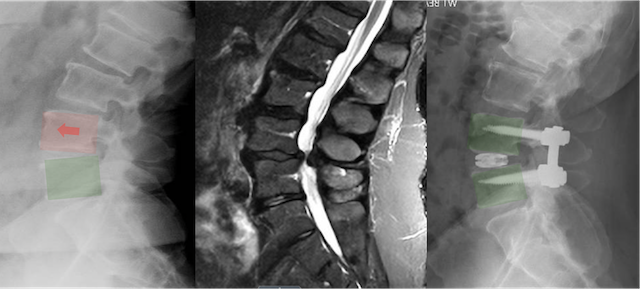
TLIF is performed through an incision (or two) in the lower back.
Typical steps include:
A small portion of bone is removed to relieve nerve pressure
The damaged disc is removed
A spacer filled with bone graft is placed into the disc space
Pedicle screws and rods are placed to stabilize the spine
These steps restore disc height, decompress nerves, and allow fusion to occur.
Many TLIF procedures can be performed using minimally invasive techniques.
Benefits of TLIF surgery
TLIF surgery may provide several benefits, including:
Relief of leg pain and nerve symptoms
Improved spinal stability
Restoration of disc height
Improved walking ability and daily function
Reduced nerve compression
Many patients experience improvement in leg pain and mobility after surgery.
Recovery after TLIF surgery
Recovery varies depending on the patient and surgical approach.
Typical recovery includes:
Walking within a day after surgery
Hospital stay of 1–3 days in many cases
Gradual return to normal activities
Avoiding heavy lifting early in recovery
Physical therapy to improve strength and mobility
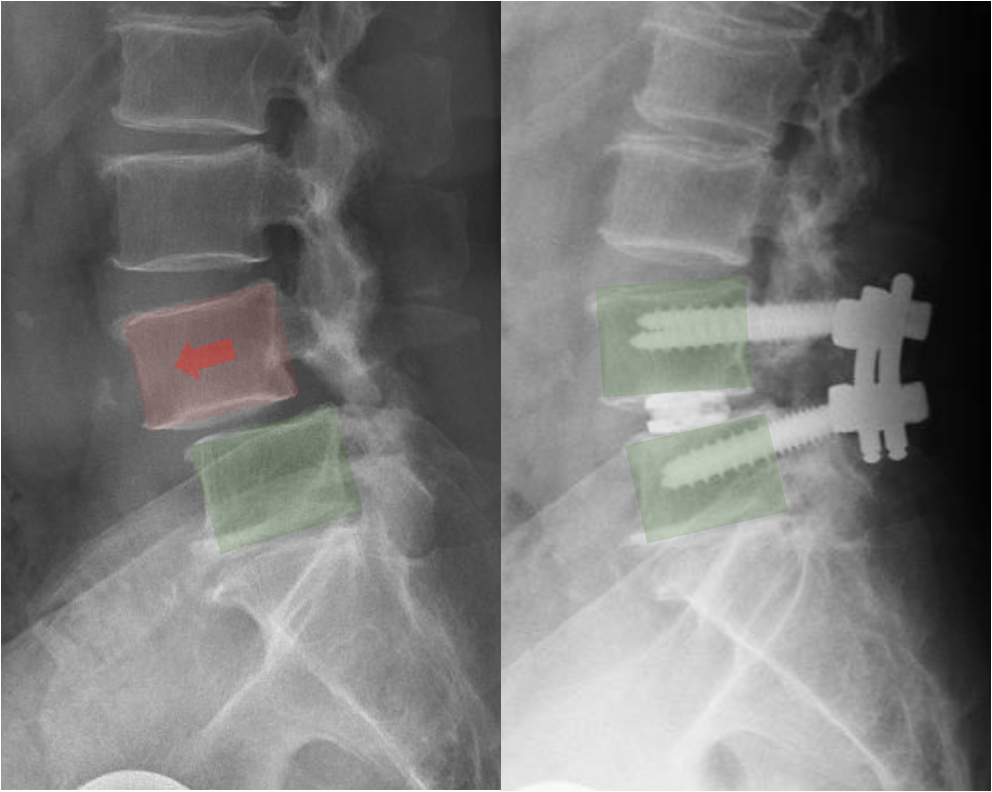
The bone fusion process usually takes several months as the vertebrae grow together.

Risks and Considerations
All spine surgeries carry potential risks.
Possible risks include:
Infection
Bleeding
Nerve irritation
Failure of the bones to fuse
Persistent symptoms
Your surgeon will review the potential risks and benefits based on your specific condition.
When should TLIF be considered?
TLIF surgery may be appropriate when:
Non-surgical treatments have not provided enough relief
Nerve compression causes persistent leg pain or weakness
Spinal instability contributes to symptoms
Imaging confirms conditions such as spondylolisthesis or degenerative disc disease
When performed for the right indication, TLIF can significantly improve function and quality of life.
Most Commonly Asked Questions
-
TLIF stands for Transforaminal Lumbar Interbody Fusion, a procedure that stabilizes the spine and relieves nerve compression.
-
TLIF approaches the spine from the back, allowing the surgeon to remove the disc and place a spacer between the vertebrae while protecting nearby nerves.
-
Most TLIF procedures take two to four hours, depending on the complexity of the case.
-
The goal of the surgery is for the bones to fuse into a single solid structure. This process typically takes several months.
-
Fusion eliminates motion at the treated level, but most patients maintain good overall mobility of the spine.
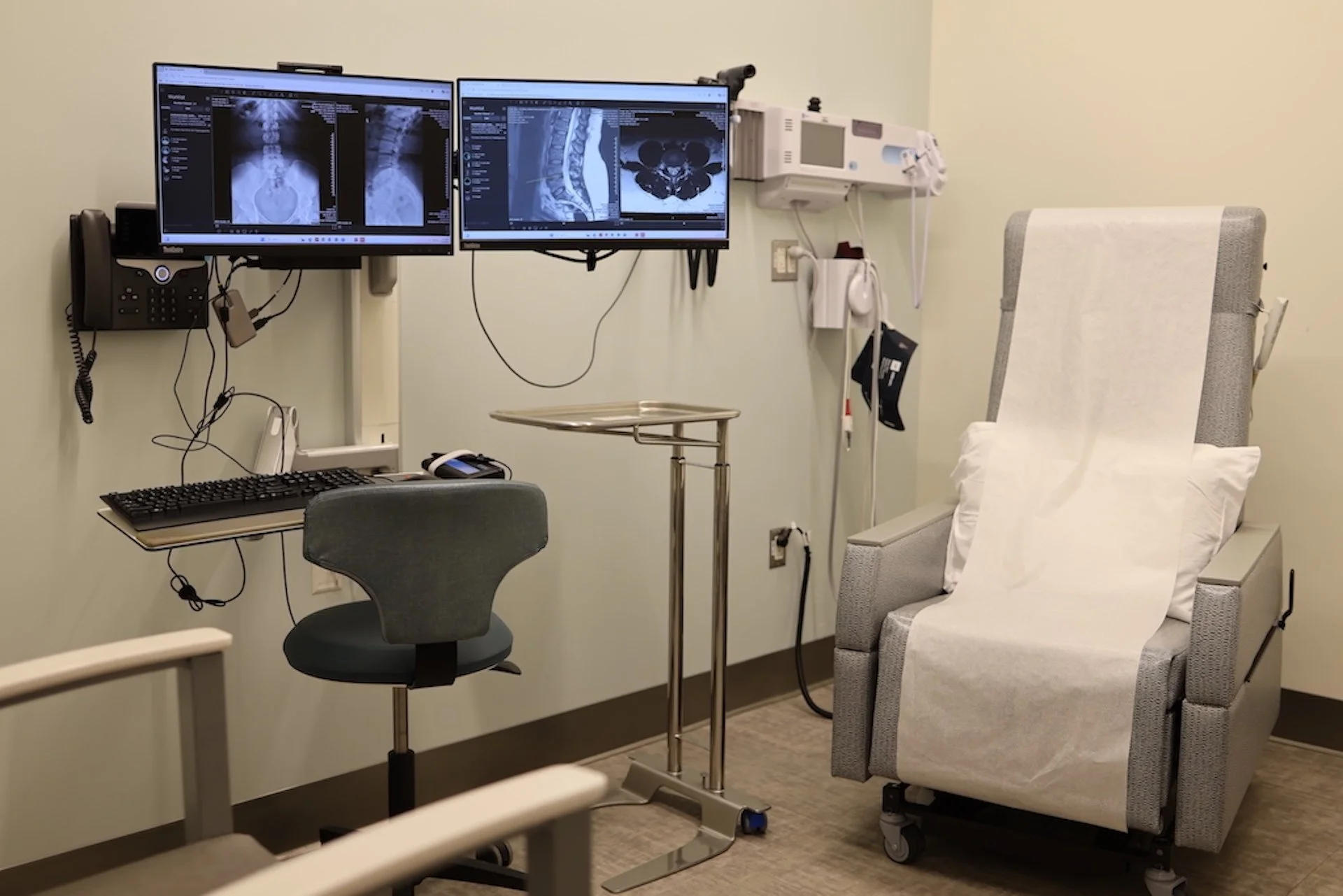

When should I see a spine specialist?
You should seek evaluation if you have:
Back pain lasting more than several weeks
Leg pain, numbness, or weakness
Symptoms that interfere with daily activities
Early evaluation can help guide appropriate treatment.