
Revision Spine Surgery
Surgery to Address Persistent or Recurrent Spine Problems
Quick Summary
Revision spine surgery refers to a procedure performed to correct or improve the results of a previous spine surgery.
Performed when symptoms persist, recur, or new problems develop
May address recurrent disc herniation, spinal instability, or hardware issues
Requires careful evaluation with imaging and prior surgical history
Often more complex than the initial surgery
Can significantly improve pain, nerve symptoms, and function when appropriately indicated
What Is Revision Spine Surgery?
Revision spine surgery is performed when a patient who has previously undergone spine surgery develops ongoing or new symptoms related to the spine.
This does not necessarily mean the first surgery was unsuccessful. Over time, new issues can develop in the spine, or the original condition may recur.
Revision procedures are tailored to the specific problem and may involve:
Additional nerve decompression
Removal or adjustment of prior implants
Stabilization of the spine with fusion surgery
Treatment of new disc herniation or spinal stenosis
Each revision surgery is individualized based on the patient’s symptoms, prior surgery, and imaging findings.
When Is Revision Spine Surgery Recommended?
Revision spine surgery may be considered when symptoms persist despite appropriate recovery from the initial procedure.
Common reasons include:
Recurrent disc herniation
Persistent or worsening nerve compression
Development of spinal instability
Hardware complications
Adjacent segment degeneration
Incomplete relief of nerve pressure from the initial surgery
Careful evaluation is essential to determine the true cause of symptoms.
How Is Revision Spine Surgery Evaluated?
Before recommending revision surgery, a detailed evaluation is performed.
This may include:
Review of prior operative reports
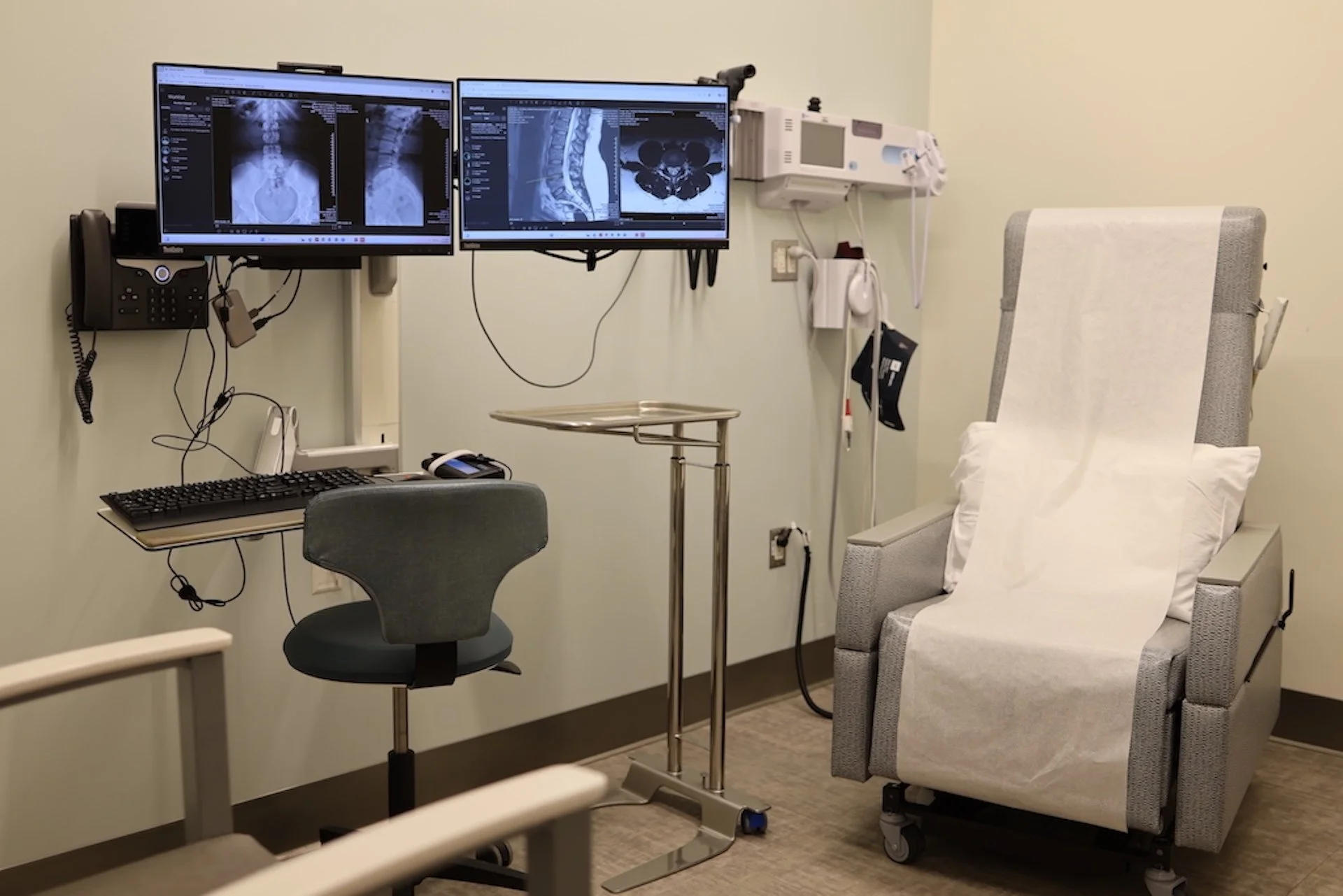
Updated MRI or CT imaging
X-rays to evaluate spinal alignment and stability
Discussion of current symptoms and functional limitations
Understanding the cause of symptoms is essential before planning additional surgery.
Types of Revision Spine Procedures
The type of revision surgery depends on the underlying problem.
Common revision procedures may include:
Repeat lumbar microdiscectomy for recurrent disc herniation
Revision decompression for persistent nerve compression
Spinal fusion to treat instability
Extension of a prior fusion if adjacent segments become affected
The goal is always to relieve nerve pressure and restore stability of the spine.
Benefits of Revision Spine Surgery
When performed for the correct indication, revision surgery can lead to meaningful improvement in symptoms.
Potential benefits include:
Relief of leg pain or nerve symptoms
Improved walking ability and daily function
Stabilization of the spine
Reduction of recurrent nerve compression
Careful patient selection is important to achieve the best outcomes.
Recovery After Revision Spine Surgery
Recovery varies depending on the procedure performed.
In general:
Recovery may take longer than the original surgery
Gradual return to activity is recommended
Physical therapy may help restore strength and mobility
Fusion procedures require several months for complete healing
Your surgeon will provide specific guidance based on the procedure performed.
Risks and Considerations
Revision spine surgery can be more complex than the initial procedure because of scar tissue and prior surgical changes.
Potential risks include:
Infection
Bleeding
Nerve irritation
Scar tissue around nerves
Persistent symptoms
An experienced spine surgeon carefully evaluates these factors when planning revision surgery.
When Should Revision Surgery Be Considered?
Revision surgery may be appropriate when:
Symptoms significantly affect daily activities or quality of life
Imaging shows a clear structural cause for symptoms
Non-surgical treatments have not provided sufficient relief
For properly selected patients, revision surgery can provide meaningful improvement in symptoms and function.
Most Commonly Asked Questions
-
Not necessarily. Spine conditions can change over time, and new problems may develop even after a successful initial surgery.
-
Revision procedures are often more technically demanding because of scar tissue and prior surgical changes.
-
Yes. Many patients experience significant improvement when the cause of symptoms is clearly identified and treated.
-
Careful review of imaging, prior surgical records, and a detailed clinical evaluation helps determine the source of symptoms.
-
Recovery can sometimes take longer depending on the type of revision procedure performed.

When should I see a spine specialist?
You should seek evaluation if you have:
Back pain lasting more than several weeks
Leg pain, numbness, or weakness
Symptoms that interfere with daily activities
Early evaluation can help guide appropriate treatment.