
Medications for Spine Conditions
Non-Surgical Treatment to Reduce Pain and Inflammation
Quick Summary
Medications are commonly used to help manage pain and inflammation related to spine conditions.
Often part of first-line treatment
Can help reduce pain, inflammation, and muscle spasm
May improve ability to participate in physical therapy
Often used together with other non-surgical treatments
Many patients improve without surgery using conservative care

How Do Medications Help Spine Pain?
Spine conditions can cause pain due to:
Inflammation around nerves
Muscle tension or spasm
Irritation of joints or discs
Medications can help reduce these symptoms and improve comfort while the body heals.
In many cases, medications are used as part of a broader treatment plan that may include physical therapy and activity modification.
Anti-Inflammatory Medications
Anti-inflammatory medications help reduce inflammation around nerves and joints in the spine.
Examples include:
Ibuprofen
Naproxen
Other prescription anti-inflammatory medications
These medications are often used to treat:
Back pain
Neck pain
Nerve irritation
Muscle inflammation
Reducing inflammation may help improve comfort and mobility.
Muscle Relaxants
Muscle relaxants may be prescribed when muscle spasms contribute to pain.
Muscle spasms sometimes occur when the body reacts to spine injury or inflammation.
Reducing muscle spasm may help improve movement and comfort.
Medications for Nerve Pain
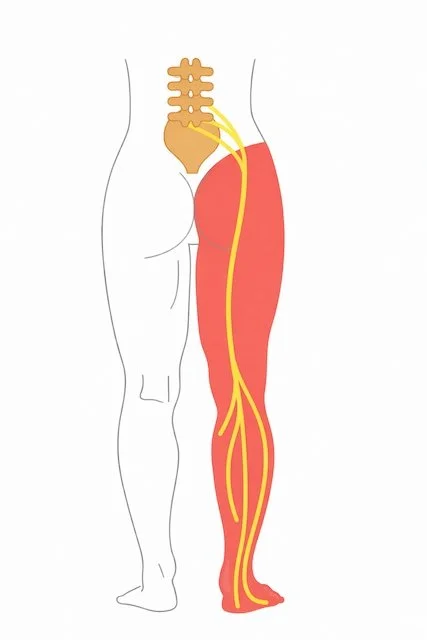
When nerves become irritated or compressed, patients may experience:
Burning pain
Tingling
Shooting pain into the arm or leg
Certain medications can help reduce nerve-related pain.
These medications work differently than standard pain relievers and may help calm irritated nerves.
Short-Term Pain Medications
Short-term use of stronger pain medications may occasionally be appropriate for severe symptoms.
These medications are typically used:
For limited periods
When other treatments are not sufficient
While waiting for symptoms to improve
The goal is to manage pain while avoiding long-term dependence on medications.
Dr. Buza does not write prescriptions for opioid pain medications. For these medications, he recommends seeing a pain management specialist.
Oral Steroids
In some cases, a short course of oral steroids may be prescribed to reduce inflammation around irritated nerves.
These medications may provide temporary symptom relief in selected patients.
Are Medications a Long-Term Solution?
Medications are often most helpful as part of a short-term treatment plan.
Many spine conditions improve with time, activity modification, and physical therapy.
The goal is usually to:
Reduce pain
Improve function
Allow participation in rehabilitation
Avoid unnecessary surgery
Long-term reliance on medications is typically avoided when possible.
Risks and Considerations
All medications have potential side effects.
Possible considerations include:
Stomach irritation from anti-inflammatory medications
Drowsiness from muscle relaxants
Medication interactions
Individual health factors
Your physician will help determine which medications are safe and appropriate for your specific situation.
When Are Medications Recommended?
Medications may be recommended when symptoms interfere with:
Daily activities
Sleep
Work
Participation in physical therapy
Many patients experience meaningful improvement with non-surgical treatments including medications.
Most Commonly Asked Questions
-
Medications help manage symptoms but do not correct structural problems such as disc herniation or spinal stenosis.
-
Many medications are used for a limited period while symptoms improve or other treatments take effect.
-
Not always. Some patients improve with activity modification, physical therapy, or time alone.
-
Certain medications are specifically designed to treat nerve-related pain such as sciatica or radiculopathy.
-
Gentle movement is often helpful. Your physician or physical therapist can guide safe activity levels.

When should I see a spine specialist?
You should seek evaluation if you have:
Back pain lasting more than several weeks
Leg pain, numbness, or weakness
Neck or arm pain, weakness, or numbness
Symptoms that interfere with daily activities
Early evaluation can help guide appropriate treatment.