
Lumbar Microdiscectomy
Surgery for Herniated Disc Causing Sciatica
Quick Summary
Lumbar microdiscectomy is a minimally invasive spine surgery used to relieve pressure on a spinal nerve caused by a herniated disc in the lower back.
Most commonly performed for sciatica or leg pain
Removes the portion of the disc pressing on the nerve
Typically performed through a small incision
Many patients experience rapid relief of leg pain
Most patients return home the same day or next day
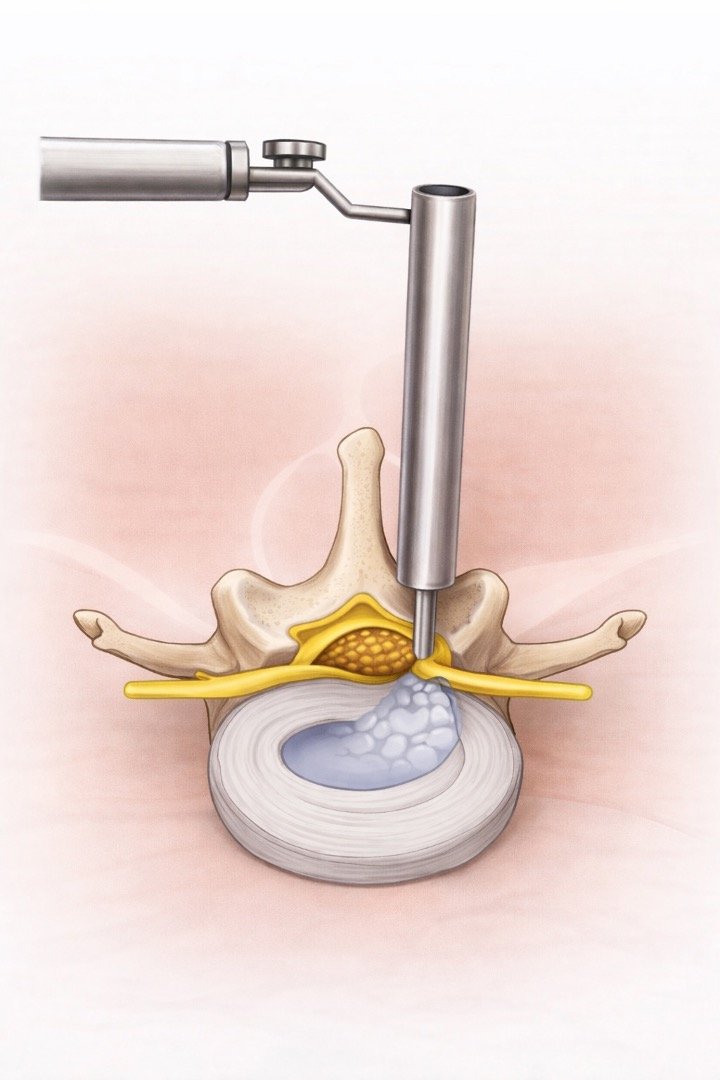
What Is a Lumbar Microdiscectomy?
A lumbar microdiscectomy is a surgical procedure that removes the part of a herniated disc that is pressing on a spinal nerve.
Spinal discs sit between the bones of the spine and act as cushions. When a disc herniates, a portion of the disc can press on a nearby nerve and cause leg pain, numbness, or weakness.
Microdiscectomy relieves this pressure by carefully removing the portion of the disc that is compressing the nerve.
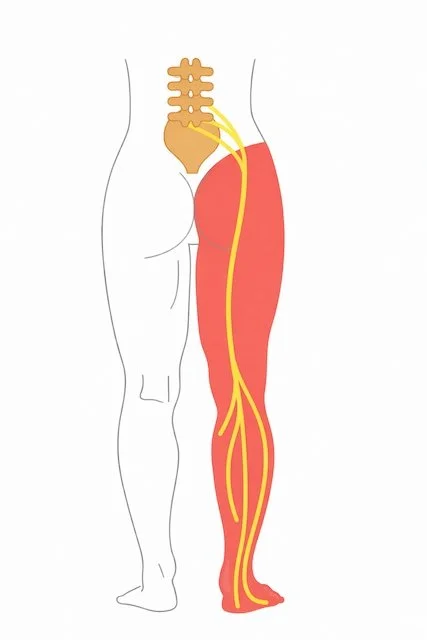
This procedure is most commonly used to treat lumbar disc herniation causing sciatica.
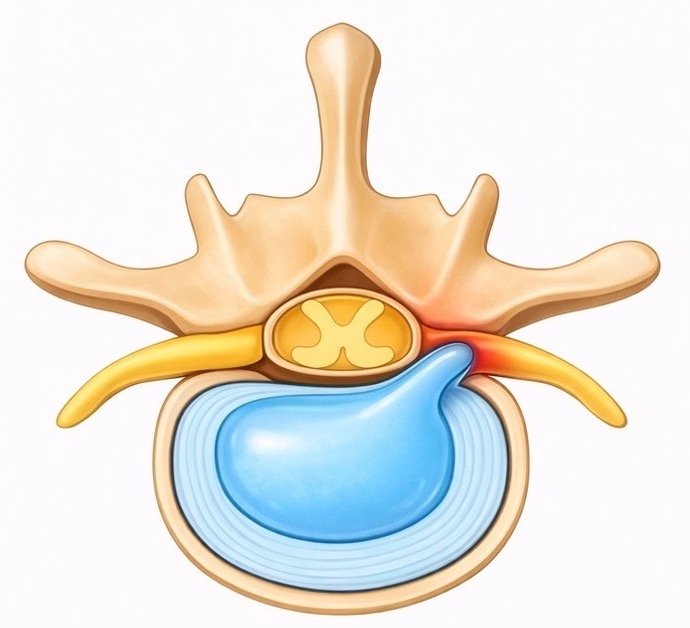
When Is Lumbar Microdiscectomy Recommended?
Most patients with a herniated disc improve without surgery. Non-surgical treatments are usually tried first.
Surgery may be recommended if:
Severe leg pain (sciatica) persists despite treatment
Symptoms last several weeks or longer
Numbness or weakness in the leg develops
Pain significantly limits walking, work, or daily activities
Microdiscectomy is generally performed when nerve compression continues to cause significant symptoms.
How Is Microdiscectomy Surgery Performed?
Microdiscectomy is typically performed using minimally invasive techniques.
During the procedure:
A small incision is made in the lower back
Muscles are gently moved aside
A microscope or surgical magnification is used
The surgeon identifies the compressed nerve
The portion of the disc pressing on the nerve is removed
The goal of the procedure is to relieve pressure on the nerve while preserving as much of the normal disc as possible.
Most surgeries take about one hour.
Benefits of Lumbar Microdiscectomy
Microdiscectomy is one of the most effective spine surgeries for relieving nerve pain.
Potential benefits include:
Rapid relief of leg pain
Improvement in numbness or tingling
Recovery of nerve strength
Improved ability to walk and perform daily activities
Many patients notice improvement in leg pain soon after surgery.
Recovery After Lumbar Microdiscectomy
Recovery after microdiscectomy is usually relatively quick compared with many other spine surgeries.
Typical recovery includes:
Walking the same day as surgery
Gradual return to normal activities over several weeks
Avoiding heavy lifting early in recovery
Possible physical therapy to improve strength and flexibility
Many patients return to light activities within a few weeks, although recovery varies depending on the individual.

Risks and Considerations
As with any surgery, microdiscectomy carries some risks, which will be discussed specifically based on your condition.
Potential risks include but are not limited to:
Infection
Bleeding
Nerve irritation
Recurrent disc herniation
Persistent symptoms
Your surgeon will review the potential risks and benefits based on your individual condition.
When Should Surgery Be Considered?
Surgery is usually considered when non-surgical treatments have not provided enough relief.
In general, surgery may be appropriate if:
Leg pain is severe and persistent
Symptoms interfere with work or daily life
Weakness develops in the leg or foot
MRI confirms a disc herniation compressing a nerve
Many patients experience excellent outcomes when surgery is performed for the right indication.
Most Commonly Asked Questions
-
Most microdiscectomy procedures take about one hour, although the exact time can vary.
-
Yes. Modern techniques use small incisions and specialized instruments to minimize tissue disruption.
-
Microdiscectomy has a high success rate for relieving leg pain caused by a herniated disc.
-
Return to work depends on the type of job. Many patients return to light work within a few weeks, while more physically demanding jobs may require more recovery time.
-
A recurrent disc herniation can occur in a small percentage of patients, but most patients do well long term.
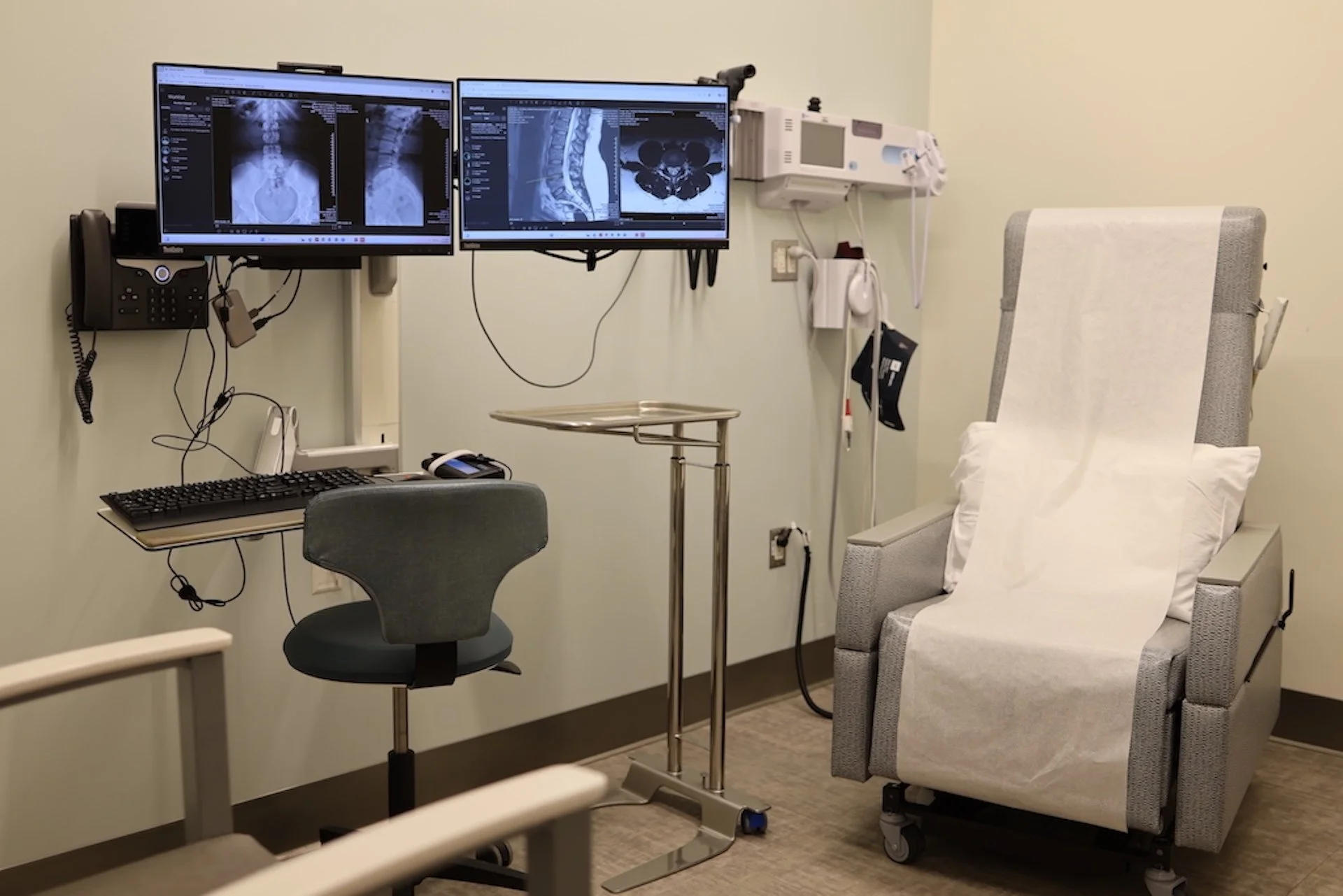

When should I see a spine specialist?
You should seek evaluation if you have:
Back pain lasting more than several weeks
Leg pain, numbness, or weakness
Symptoms that interfere with daily activities
Early evaluation can help guide appropriate treatment.