
Epidural Steroid Injections
Non-Surgical Treatment to Reduce Nerve Inflammation and Pain
Quick Summary
Epidural steroid injections are commonly used to reduce inflammation around spinal nerves and improve pain caused by nerve compression.
Often used to treat arm or leg pain caused by pinched nerves
May help reduce inflammation and nerve irritation
Can improve ability to participate in physical therapy
May delay or help avoid surgery in some patients
Typically performed as an outpatient procedure
Epidural injections are often part of a comprehensive non-surgical treatment plan.
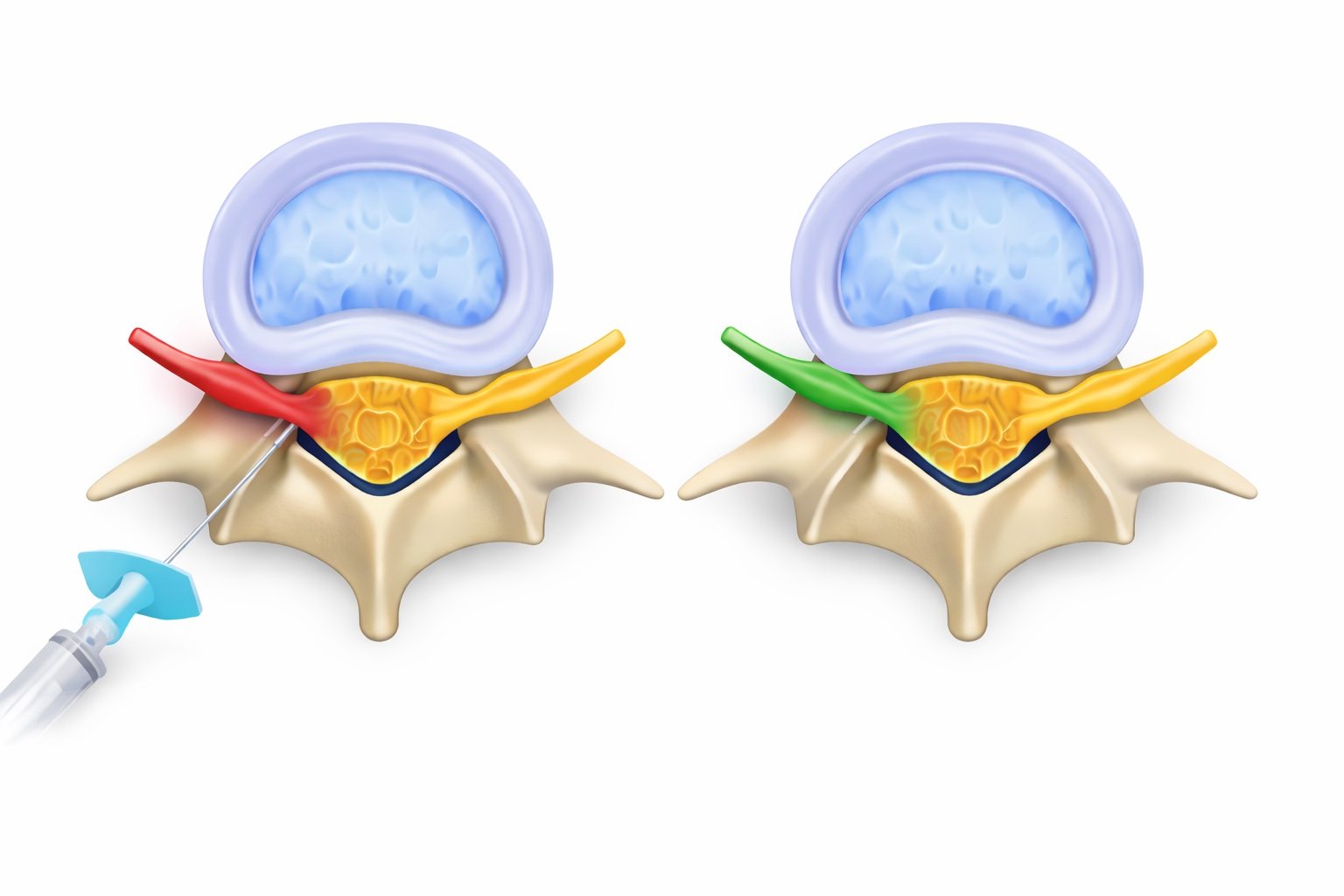
Dr. Buza does not perform epidural steroid injections. However, he works closely with a team of physiatrists (injection specialists). He may recommend consultation with a physiatrist if appropriate.
What Is an Epidural Steroid Injection?
An epidural steroid injection is a procedure in which anti-inflammatory medication is delivered near irritated spinal nerves.
The injection contains a corticosteroid medication designed to reduce inflammation around the nerve.
When nerves become compressed due to conditions such as a disc herniation or spinal stenosis, inflammation can contribute to pain, numbness, or tingling.
Reducing inflammation may help improve symptoms.
What Conditions Are Treated with Epidural Injections?
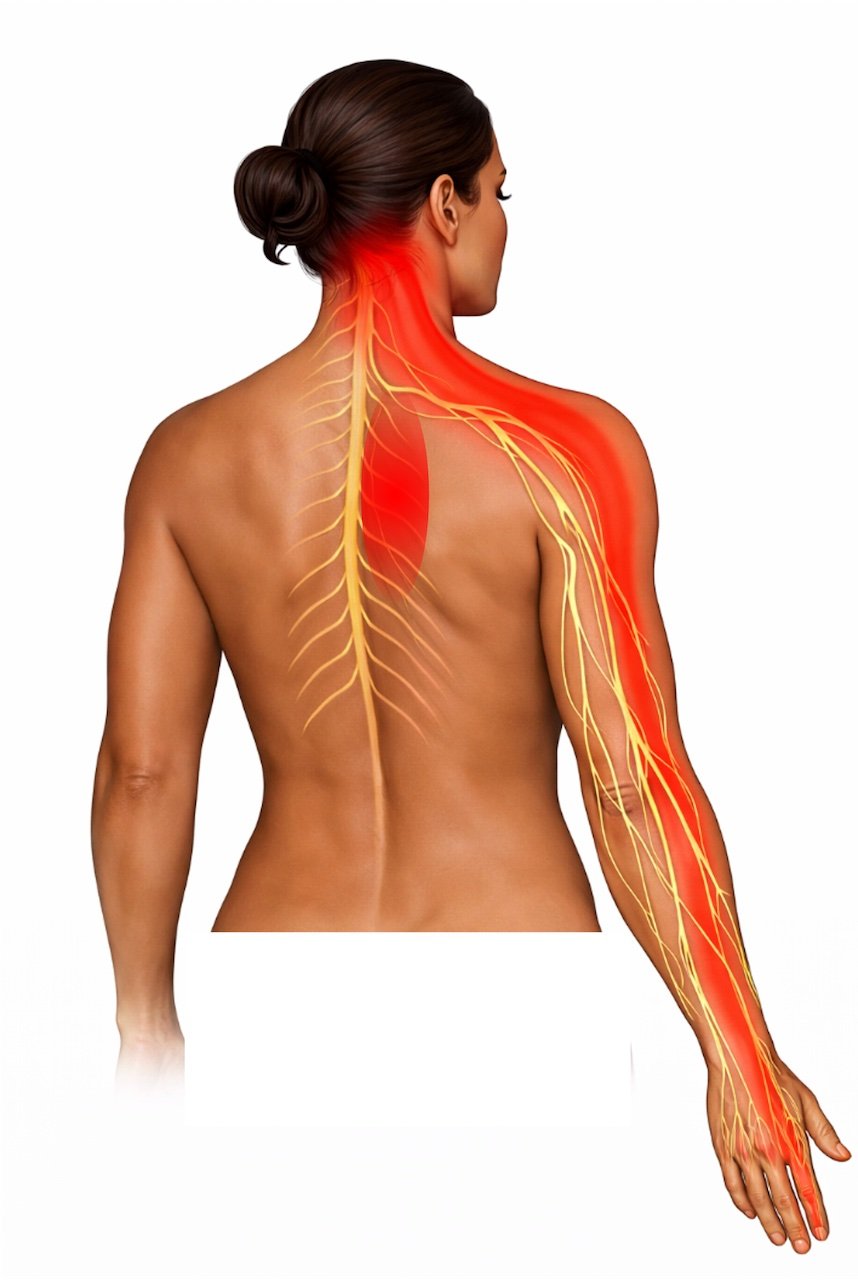
Epidural steroid injections are commonly used to treat symptoms caused by nerve compression in the spine.
These may include:
Lumbar disc herniation
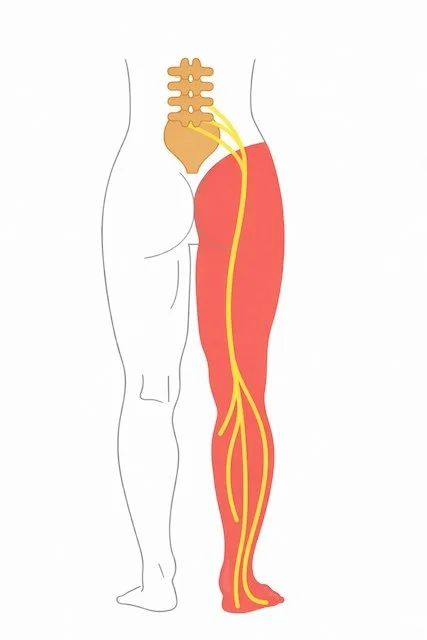
Lumbar radiculopathy (sciatica)
Cervical radiculopathy
Lumbar spinal stenosis
Cervical spinal stenosis
Injections are most helpful when symptoms involve nerve irritation causing arm or leg pain.
How Is an Epidural Injection Performed?
Epidural injections are typically performed as an outpatient procedure.
During the procedure:
The skin is cleaned and numbed
Imaging guidance such as fluoroscopy (X-ray) is used to guide the needle
Anti-inflammatory medication is injected near the affected nerve
The procedure usually takes only a short time, and patients are typically able to go home the same day.
Imaging guidance helps improve accuracy of medication placement.
How Do Epidural Injections Help?
Epidural steroid injections work by reducing inflammation around irritated nerves.
Reducing inflammation may:
Decrease pain
Reduce numbness or tingling
Improve ability to participate in physical therapy
Improve comfort with daily activities
The degree and duration of symptom relief can vary between individuals.
Some patients experience significant improvement, while others may have more limited benefit.
How Long Do Epidural Injections Last?
The duration of symptom relief varies depending on the underlying condition.
Some patients experience:
Relief lasting several weeks
Relief lasting several months
Gradual improvement as the underlying condition heals
Injections may sometimes be repeated depending on response and clinical circumstances.
Are Epidural Injections a Cure?
Epidural injections do not correct structural spine problems such as disc herniation or spinal stenosis.
Instead, they help reduce inflammation and improve symptoms while the body heals or while other treatments take effect.
In some cases, injections may help patients avoid or delay surgery.
Are Epidural Injections Safe?
Epidural steroid injections are commonly performed and generally safe.
Potential risks may include:
Temporary soreness at the injection site
Temporary increase in symptoms
Infection (rare)
Bleeding (rare)
Your physician will review the potential risks and benefits based on your individual condition.
When Are Epidural Injections Recommended?
Epidural injections may be recommended when:
Arm or leg pain persists despite initial treatment
Nerve inflammation contributes to symptoms
Pain interferes with daily activities or sleep
Symptoms limit participation in physical therapy
Injections are often used as part of a broader non-surgical treatment plan.
Most Commonly Asked Questions
-
Most patients tolerate the procedure well. The skin is numbed prior to the injection.
-
The procedure typically takes only a short time and is usually performed on an outpatient basis.
-
The number of injections varies depending on response to treatment and the underlying condition.
-
Injections help reduce inflammation and symptoms but do not remove disc herniations or bone spurs.
-
Some patients experience enough improvement that surgery is not necessary.

When should I see a spine specialist?
You should seek evaluation if you have:
Back pain lasting more than several weeks
Leg pain, numbness, or weakness
Neck or arm pain, weakness, or numbness
Symptoms that interfere with daily activities
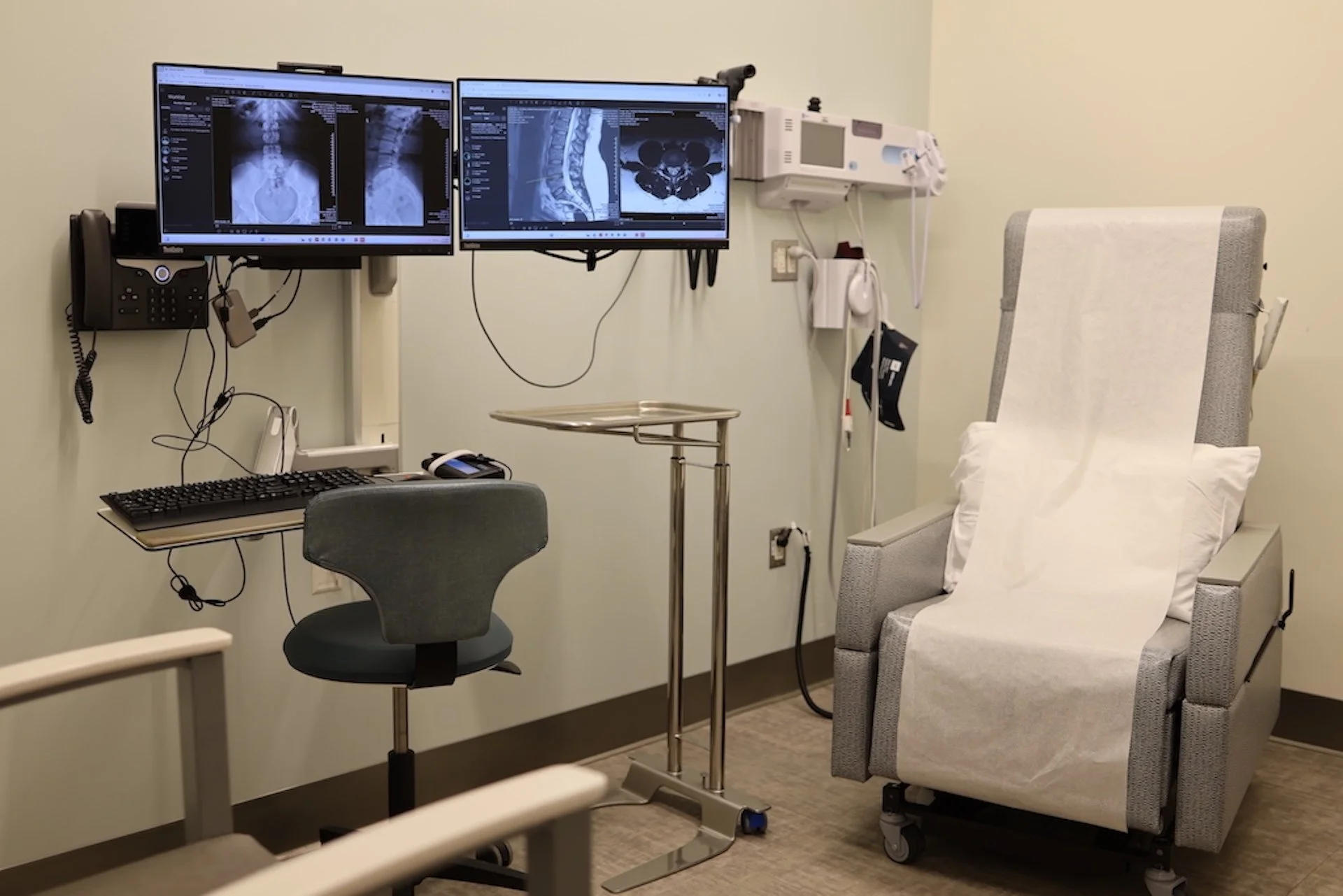
Early evaluation can help guide appropriate treatment.