
Anterior Lumbar Interbody Fusion (ALIF)
Surgery to Restore Disc Height and Stabilize the Lower Spine
Quick Summary
Anterior Lumbar Interbody Fusion (ALIF) is a spinal fusion procedure performed through the front of the abdomen to treat certain conditions affecting the lower back.
Removes a damaged disc and replaces it with a spacer and bone graft
Restores disc height and spinal alignment
Often improves leg pain, numbness, and nerve symptoms
Frequently combined with minimally invasive posterior fixation for additional stability
Allows the vertebrae to fuse together over time
What is an ALIF?
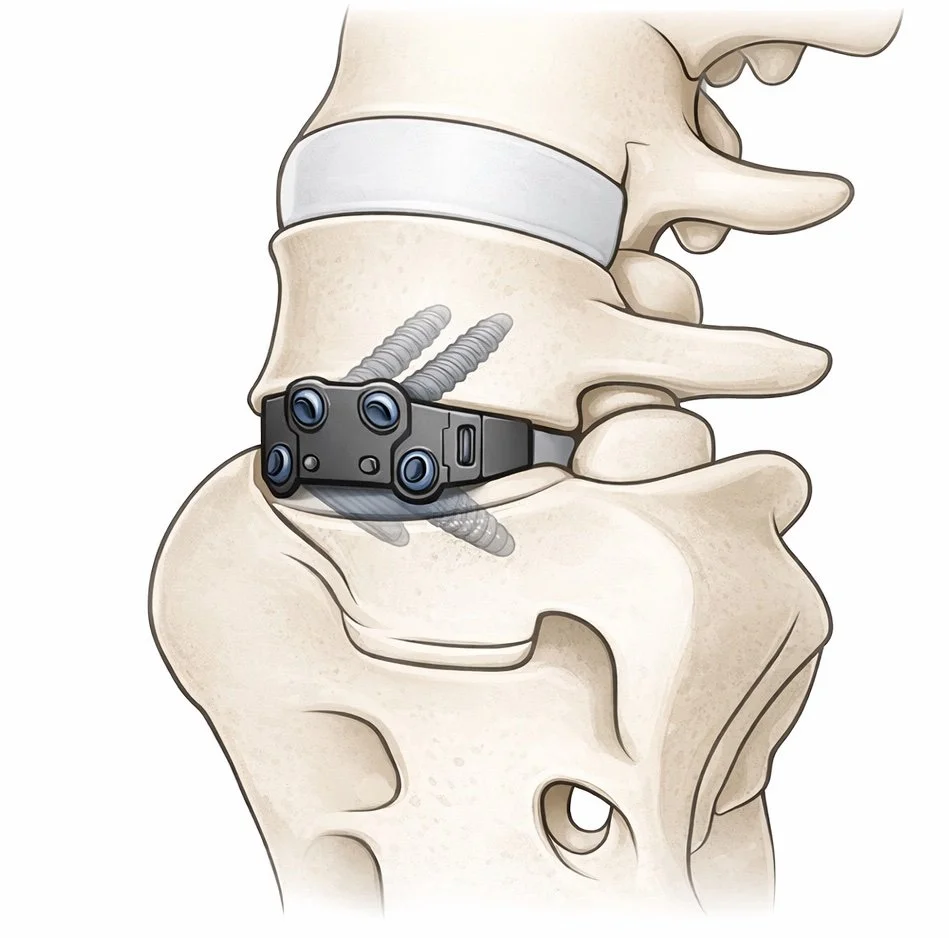
An Anterior Lumbar Interbody Fusion (ALIF) is a type of spinal fusion surgery performed through the front (anterior) part of the body, typically through the abdomen.
During this procedure:
The damaged disc between two vertebrae is removed.
A spacer (interbody cage) filled with bone graft is placed in the disc space.
This spacer restores disc height and helps stabilize the spine.
By approaching the spine from the front, the surgeon can often place a larger implant that helps restore the natural spacing between vertebrae and relieve pressure on nearby nerves.
In many cases, additional posterior fixation with screws and rods is performed during the same surgery through small minimally invasive incisions in the back to further stabilize the spine.
When Is ALIF Surgery Recommended?
ALIF surgery may be recommended when spinal instability or disc degeneration causes persistent symptoms.
Common conditions treated with ALIF include:
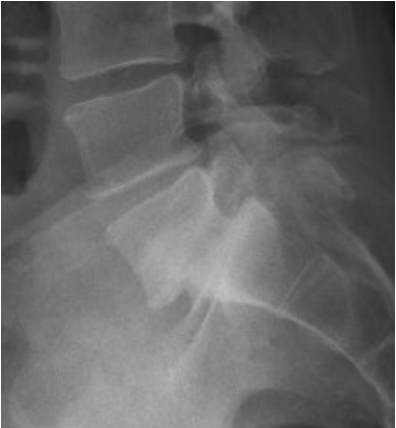
Lumbar degenerative disc disease
Lumbar spondylolisthesis
Recurrent disc herniation
Loss of disc height causing nerve compression
Chronic lower back pain associated with disc degeneration
ALIF is particularly helpful when restoring disc height and spinal alignment is important.
How Is ALIF surgery performed?
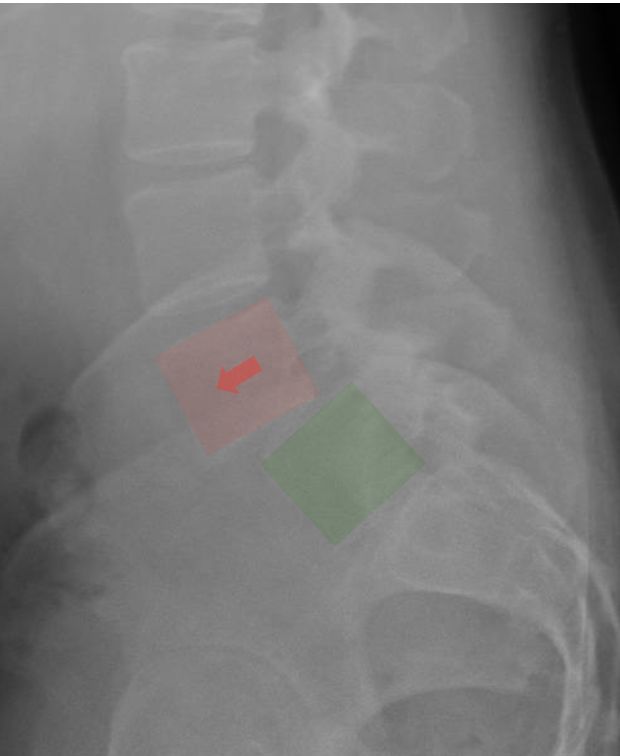
ALIF surgery is typically performed through a small incision in the lower abdomen.
During the procedure:
A specialized surgical team carefully moves blood vessels aside to access the spine.
The damaged disc is removed.
A spacer filled with bone graft is placed into the disc space.
The spacer restores disc height and helps stabilize the spine.
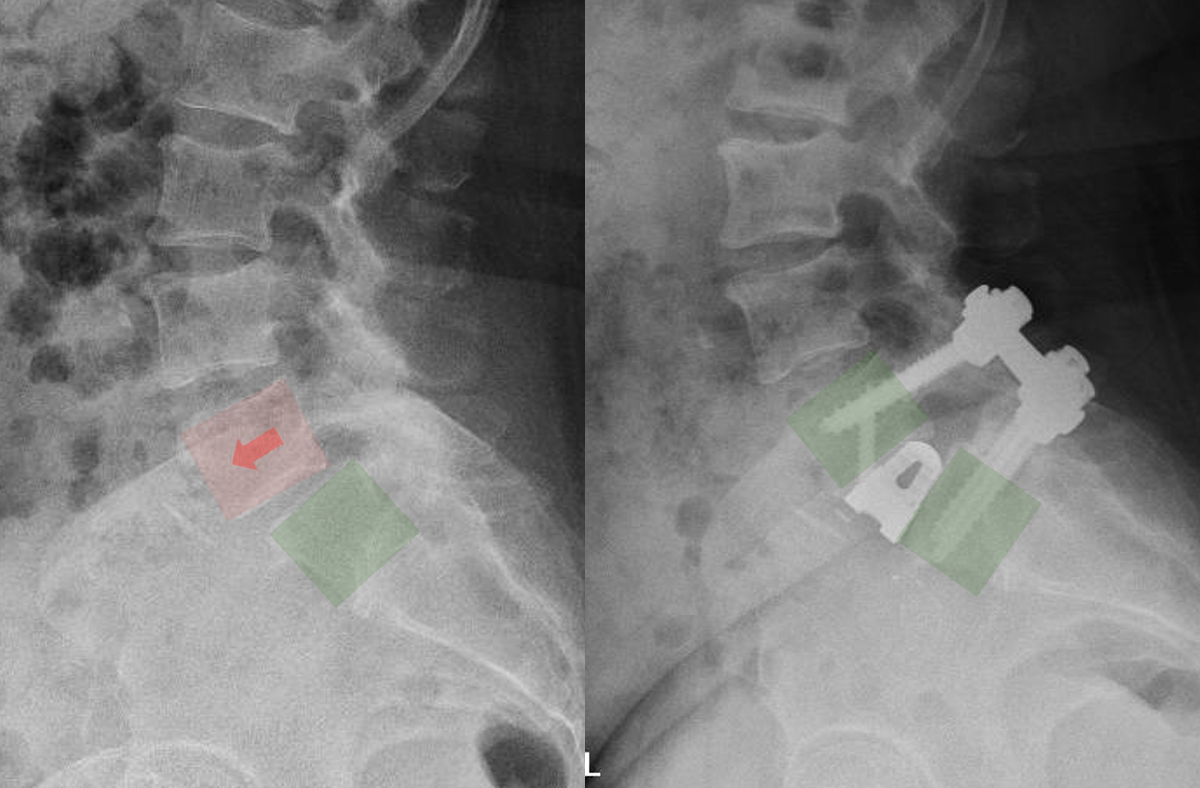
In the majority of cases, the procedure is supplemented with posterior fixation, where screws and rods are placed from the back of the spine using minimally invasive techniques. This provides additional stability and supports the fusion process.
Benefits of ALIF surgery
Potential benefits of ALIF include:
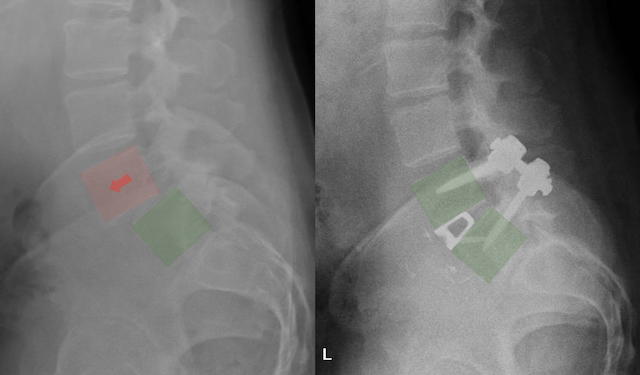
Restoration of disc height
Improved spinal alignment
Relief of nerve compression
Improved leg pain and nerve symptoms
Strong structural support for spinal fusion
The anterior approach can allow placement of a larger implant, which may improve stability and help restore normal spine mechanics.
Recovery After ALIF surgery
Recovery varies depending on the individual and the extent of surgery.
Typical recovery includes:
Walking within a day after surgery
Hospital stay of 1–3 days in many cases
Gradual return to daily activities
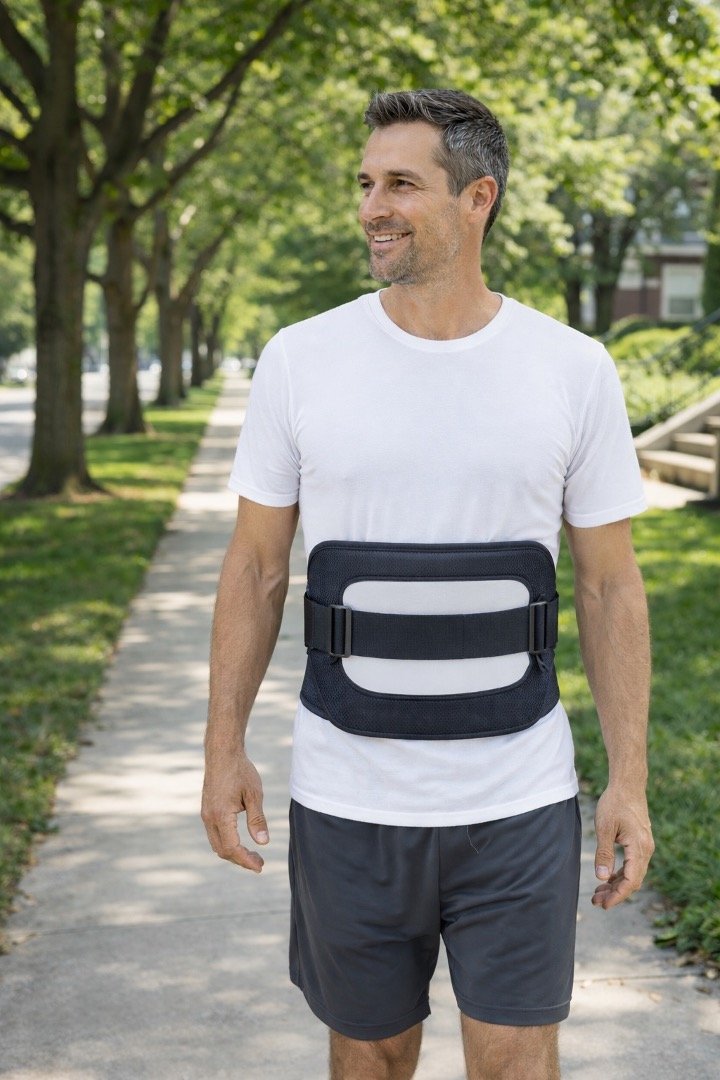
Avoiding heavy lifting early in recovery
Physical therapy to improve strength and mobility
The fusion process typically takes several months as the vertebrae heal together.
Risks and Considerations
All surgeries carry some risks, although serious complications are uncommon.
Potential risks include:
Infection
Bleeding
Injury to nearby structures
Nerve irritation
Failure of the bones to fuse
Your surgeon will review the potential risks and benefits based on your specific condition.
When Should ALIF Surgery Be Considered?
ALIF surgery may be appropriate when:
Non-surgical treatments have not provided enough relief
Significant disc degeneration causes persistent symptoms
Spinal instability or spondylolisthesis is present
Restoring disc height and alignment may improve symptoms
For carefully selected patients, ALIF can significantly improve pain, mobility, and quality of life.
Most Commonly Asked Questions
-
ALIF stands for Anterior Lumbar Interbody Fusion, meaning the spine is accessed from the front of the body to perform a fusion between two vertebrae.
-
The anterior approach allows the surgeon to remove the damaged disc and place a larger implant, which can help restore disc height and spinal alignment.
-
Posterior fixation using screws and rods helps provide additional stability and supports the fusion process. These screws are often placed through minimally invasive techniques.
-
The procedure typically takes several hours, depending on the number of levels treated and whether supplemental fixation is performed.
-
The goal of the surgery is for the vertebrae to fuse into a solid bone, which usually occurs over several months.

When should I see a spine specialist?
You should seek evaluation if you have:
Back pain lasting more than several weeks
Leg pain, numbness, or weakness
Symptoms that interfere with daily activities
Early evaluation can help guide appropriate treatment.